Thinking about an HCG diet but unsure whether it actually works? Here is an honest look at the phases, the food list, and what medical supervision adds.
The HCG diet pairs a hormone with a very low calorie eating plan, and it has been debated by doctors for decades. Some people find the structure helps them stick to a strict plan, while researchers still question how much the hormone itself adds. At Just Lose Weight MD, we run HCG programs under medical supervision at our Maryland and Virginia clinics, which is the part that matters most when calories drop this low. This guide walks through how the diet is meant to work, the four phases, the food list, and the real tradeoffs so you can decide whether it fits your goals.
The protocol traces back to Dr. A.T.W. Simeons in the 1950s. Modern clinics use it with closer monitoring than the original version, and we prefer to be upfront about what it can and cannot do rather than sell it as a miracle. If you want to compare options first, our medical weight loss page covers the broader approaches we offer.
What Is the HCG Diet?
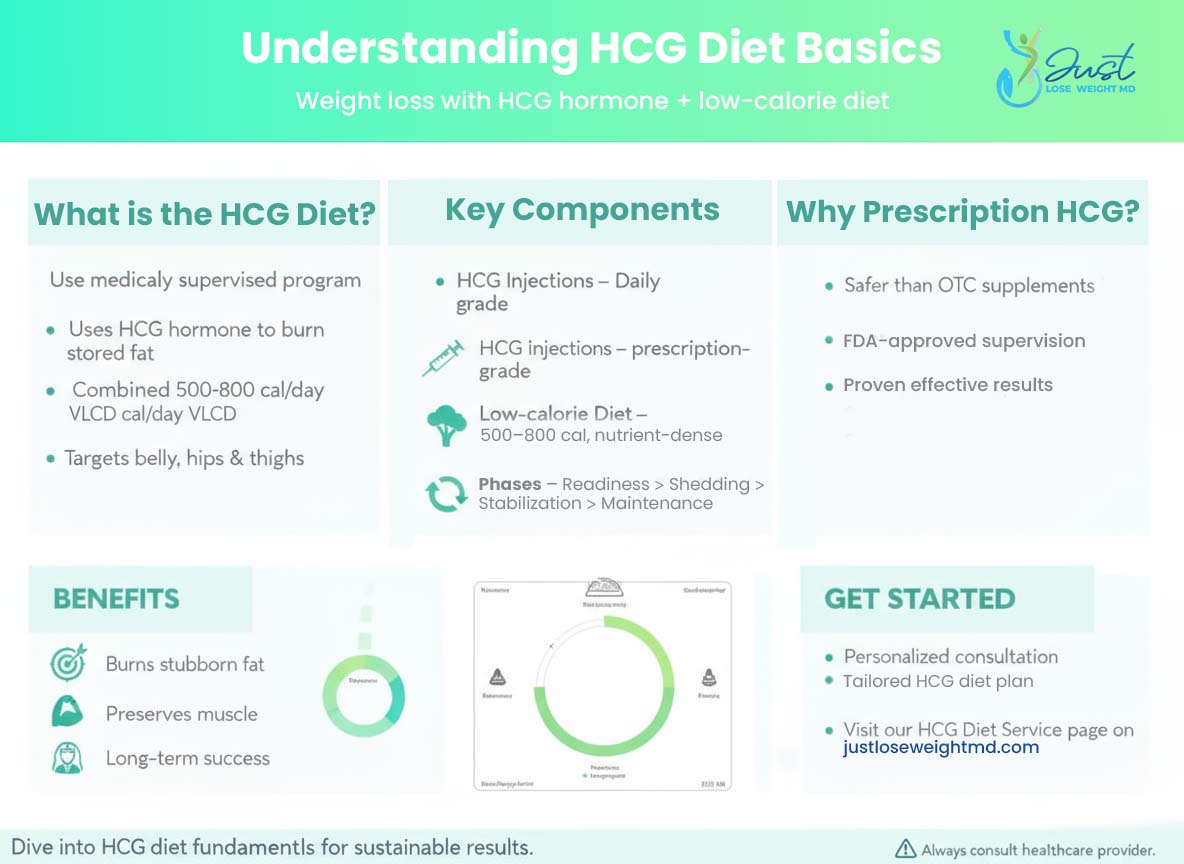
HCG stands for human chorionic gonadotropin, a hormone the body produces during pregnancy. The diet combines prescription HCG with a very low calorie diet, usually somewhere in the 500 to 800 calorie range per day. The idea is that the strict calorie limit drives fat loss while the hormone is meant to blunt hunger and help preserve lean muscle.
One important distinction: the FDA has not approved HCG for weight loss, and it warns against over the counter HCG drops and pellets sold for that purpose. Prescription HCG used under a clinician's care is a different situation, which is why supervision is central to how we run these programs.
Key parts of the plan include:
- Prescription HCG: dosed and monitored by our team, not bought off a shelf.
- A very low calorie diet: built around lean protein, vegetables, and fruit.
- A phased structure: loading, fat burning, stabilization, and maintenance.
You can read more about how we handle the protocol on our HCG diet page.
How the HCG Diet Is Meant to Work
The weight loss on this plan comes mainly from the calorie deficit. That part is well established. The role of the hormone is where the science is less settled. Several studies have found that HCG does not add measurable fat loss beyond what the low calorie diet produces on its own. What some patients report is that the plan feels more tolerable, with steadier energy and less hunger, which can improve how well they stick to it.
Because the calorie level is so low, appetite management often matters more than the hormone. Some people combine the plan with appetite suppressants or lipotropic shots under our guidance. If a very low calorie plan is not right for you, newer medications such as semaglutide may be a better fit, and we can talk through both.
The Four Phases of the HCG Diet
Most HCG plans move through four stages:
- Loading (days 1 to 2): eat higher fat, higher calorie foods while starting HCG. This is meant to ease the transition into the strict phase.
- Fat burning (roughly days 3 to 40): calories drop to about 500 to 800 per day, focused on lean protein, vegetables, and fruit.
- Stabilization (about 3 weeks): HCG stops, and calories rise gradually as you reintroduce whole foods.
- Maintenance: a balanced, moderate diet with regular activity to hold your results.
We typically offer 30 day and 40 day programs and adjust them to the individual. To map out a plan, reach out to our team.
HCG Diet Food List
During the fat burning phase, most plans keep the food list narrow:
- Proteins: white fish, chicken breast, lean beef, egg whites, shrimp, lobster (about 100g per meal).
- Vegetables: spinach, lettuce, tomatoes, cucumbers, asparagus, celery, cabbage, onions.
- Fruits: apples, strawberries, oranges, grapefruit (one per meal).
- Drinks: water, black coffee, and tea; a tablespoon of milk per day.
- Seasonings: herbs, spices, lemon juice, mustard (no oil or sugar).
Fats, sugar, starches, and processed foods are off the list during this phase. A sample day might look like fruit and black coffee for breakfast, grilled chicken with spinach salad and an apple for lunch, and baked fish with asparagus and strawberries for dinner.
A Few Simple Recipe Ideas
Variety helps people stay on track when the menu is limited. A few phase friendly ideas:
- Cajun chicken salad: grilled chicken with Cajun seasoning over lettuce and tomato, dressed with lemon.
- Shrimp saute: shrimp cooked with garlic, onion, celery, and herbs.
- Baked apple: a cored apple dusted with cinnamon and baked until soft.
- Herb fish: white fish seasoned with rosemary and thyme, baked alongside asparagus.
Benefits People Report
Under supervision, patients on this plan often describe:
- Meaningful weight loss over a 30 to 40 day cycle.
- Reduced hunger, which makes the strict calorie level easier to keep.
- A clear structure that removes daily guesswork.
- Support for holding results through the stabilization and maintenance phases.
Results vary from person to person, and the numbers you see online are not guarantees. That is exactly why we track progress and adjust.
Risks and Side Effects to Know
A very low calorie diet is demanding, and it is not right for everyone. Common side effects include headaches, fatigue, irritability, and dizziness, mostly from the calorie deficit. Less common risks include electrolyte imbalances and gallstones, which is one reason this plan should be run with a clinician rather than on your own. People who are pregnant, nursing, or managing certain medical conditions may not be candidates.
The honest summary: HCG is not FDA approved for weight loss, over the counter versions are not something we recommend, and the low calorie phase needs monitoring. A short consultation is the right way to find out if it suits you.
Getting Started at Just Lose Weight MD
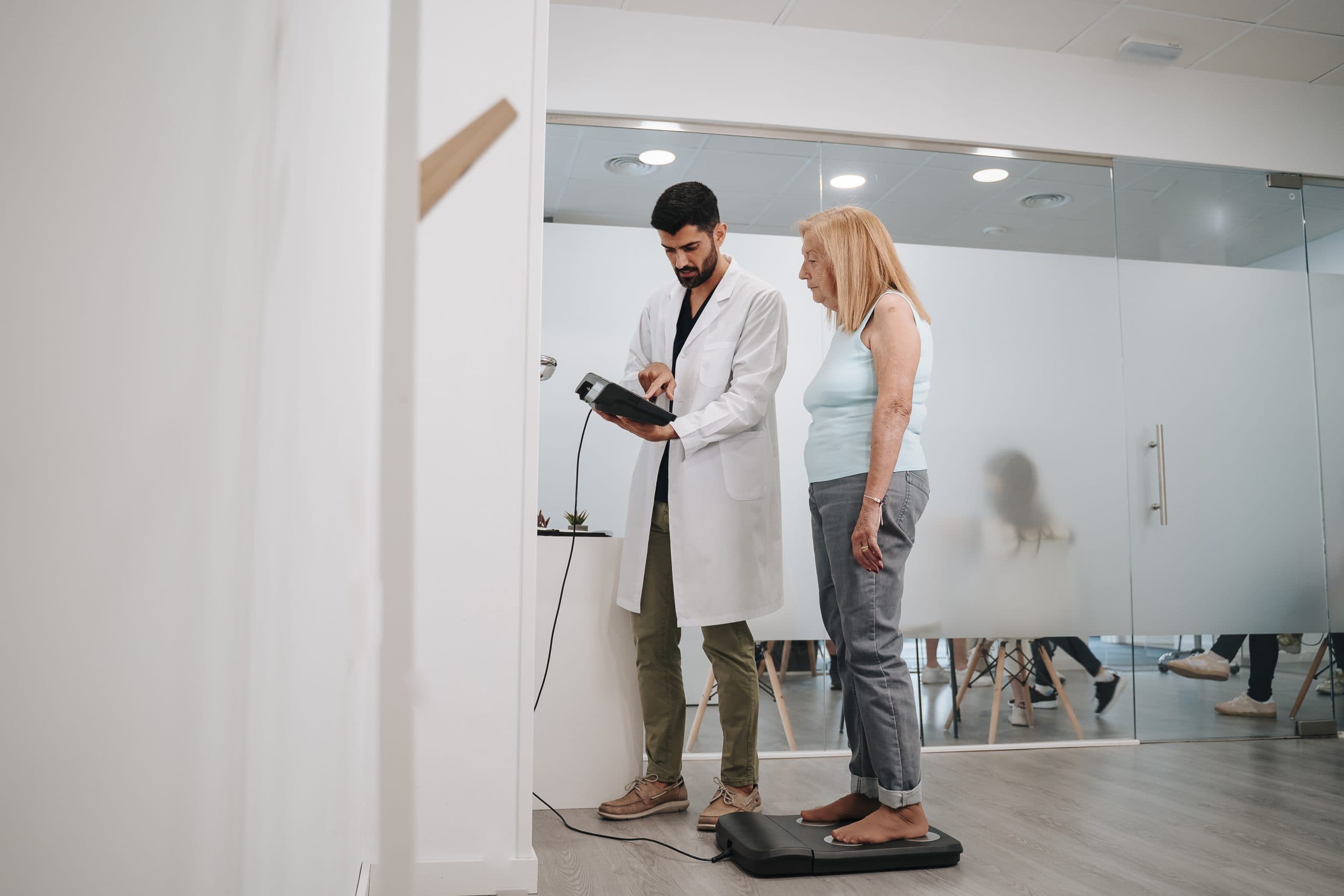
Our clinics in Takoma Park and Rockville, Maryland, offer supervised HCG programs, along with telehealth visits for patients across the region. A baseline body composition scan helps us set realistic goals and measure fat loss rather than just weight on the scale.
If you are ready to talk it through, book an appointment online or find the clinic nearest you on our locations page.