If your recent bloodwork put your A1C in the prediabetes range, the food on your plate is one of the first things you can change. Small, steady adjustments to what and how you eat often move blood sugar in the right direction.
A well planned diet is one of the most effective tools for managing blood sugar, easing insulin resistance, and bringing an elevated A1C back down. At Just Lose Weight MD, we help patients across Maryland and Virginia get their prediabetes under control through personalized nutrition paired with medical supervision.
Prediabetes means your blood sugar is higher than normal but has not reached the diabetic range. It is defined by an A1C of 5.7-6.4 percent. That window matters because it is often reversible, and the changes you make now can keep it from progressing to type 2 diabetes.
Why Diet Makes Such a Difference

Prediabetes does not always move toward diabetes, but the risk is real when nothing changes. The encouraging part is how much lifestyle can shift the odds. Research behind the Diabetes Prevention Program found that losing a modest amount of weight, roughly 5-7 percent of body weight, and staying active substantially lowered the chance of progressing to type 2 diabetes.
A good prediabetes plan is built around a few clear goals:
- Reducing insulin resistance
- Keeping blood sugar steadier through the day
- Lowering A1C over time
- Supporting weight loss you can actually maintain
A useful concept here is the Glycemic Index, a scale that ranks how quickly a food raises blood sugar. Foods lower on that scale, along with complex carbohydrates, digest slowly and cause gentler rises. Building meals around them supports insulin sensitivity and steadier energy.
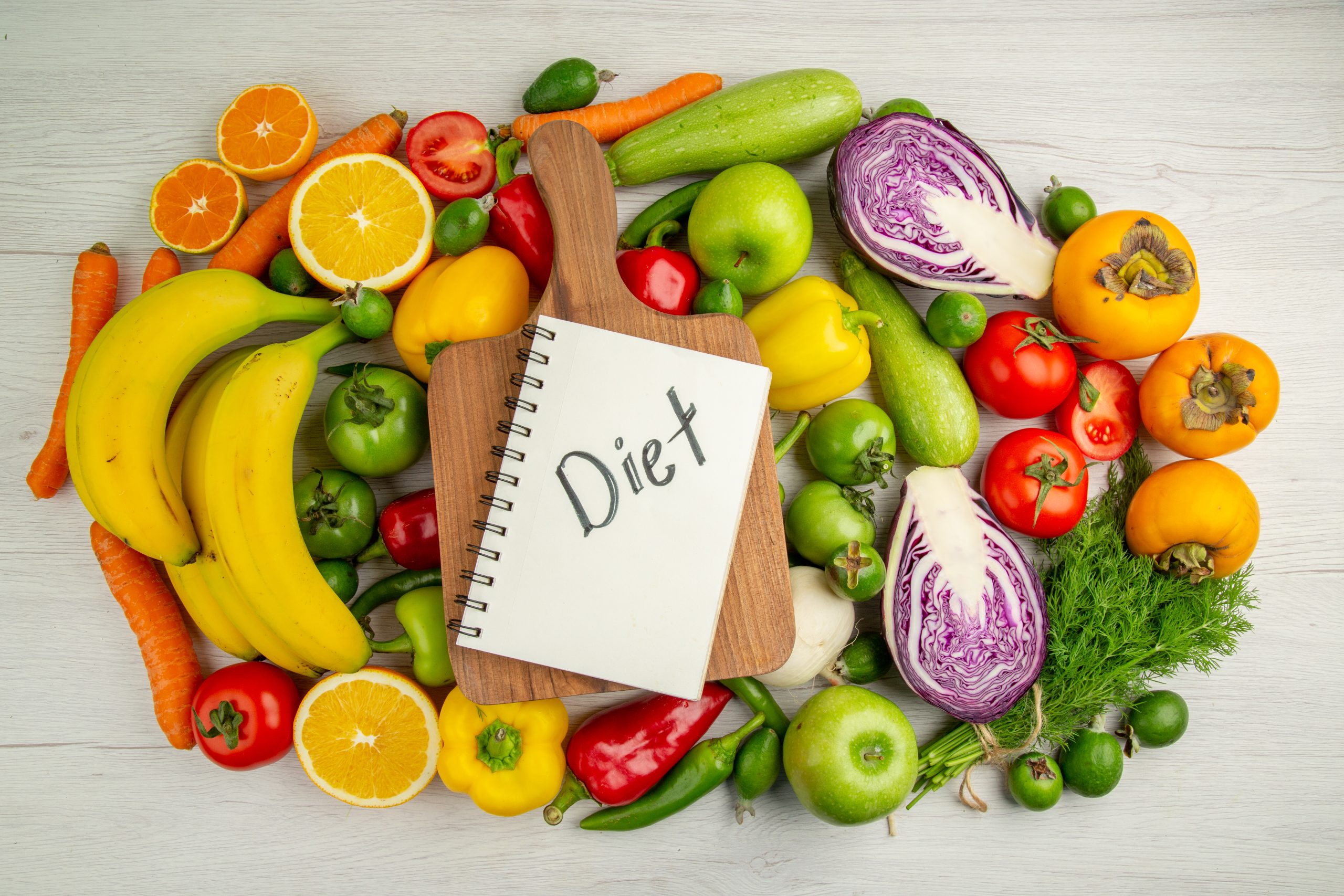
Foods to prioritize:
- Non-starchy vegetables (broccoli, spinach, cauliflower, peppers)
- Lean proteins (chicken, fish, eggs, Greek yogurt, tofu)
- High-fiber complex carbohydrates (oats, quinoa, lentils, beans)
- Healthy fats (avocado, olive oil, nuts in moderation)
Foods to limit:
- Refined carbohydrates and high glycemic index foods
- Sugary drinks and fruit juices
- Processed snacks and sweets
Simple swaps often make the plan easier to stick with.
| Instead of (High GI) | Choose This (Low GI) | Benefit |
| White rice | Quinoa or cauliflower rice | Slower blood sugar rise |
| White bread | Whole grain or a lettuce wrap | More fiber, better satiety |
| Sugary cereal | Greek yogurt with berries | More protein, smaller sugar spike |
| Fruit juice | A whole apple or berries | Natural fiber slows digestion |
| Potatoes | Sweet potato (in moderation) | Better nutrient profile |
| Soda or sweet drinks | Sparkling water with lemon | No added sugar |
General guidelines are a solid start, but every person's insulin resistance, A1C, and metabolism look a little different, which is where individual guidance earns its place. At Just Lose Weight MD, Dr. Olasupo Odunsi, an ABIM board-certified internal medicine physician, builds plans that combine the right eating pattern with regular monitoring. When it fits a patient's situation, treatment may also include options like semaglutide or tirzepatide to support blood sugar control and weight loss. You can read more about our full approach on the medical weight loss page.
A few habits tend to help almost everyone:
- Pair protein with every meal and snack
- Fill half your plate with non-starchy vegetables
- Choose complex carbohydrates over refined ones
- Eat at regular intervals so blood sugar stays even
- Stay consistent, since small daily changes add up
Knowing what to eat is only part of it. Patients who make the most progress usually work with a medical team that tracks their A1C, adjusts the plan as numbers change, and keeps them accountable. For patients who prefer to check in from home, our telehealth visits are available to Maryland and Virginia residents. A body composition scan can also show real changes in fat and muscle over time rather than relying on the scale alone.
The right diet can help you take charge of your blood sugar, ease insulin resistance, lower your A1C, and reduce your risk of type 2 diabetes. The safest way to get there is with a plan shaped around your own health picture.
You do not have to figure this out on your own. To get started, book an appointment or call the clinic nearest you:
- Takoma Park, MD: (301) 434-0075
- Rockville, MD: (301) 603-2811
Medical disclaimer: This article is for educational purposes only and is not medical advice. Individual results vary. Always talk with a qualified healthcare provider before making dietary or medical changes.