
Rest often gets pushed to the bottom of the list behind work, workouts, and everything else, yet it may be the piece that determines whether the rest of your effort actually pays off.
The Science Behind Rest and Recovery
Rest often gets pushed to the bottom of the list behind work, workouts, and everything else, yet it may be the piece that determines whether the rest of your effort actually pays off. Time spent recovering is when your body repairs tissue, steadies its hormones, and clears the mental clutter that builds up during a busy day. When you shortchange it, progress stalls and stress lingers.
What Happens While You Recover
Recovery is an active process, not idle time. Your body uses these windows to rebuild what daily life wears down, and that work touches nearly every system, including the ones that influence appetite and metabolism.
- Muscle repair: Exercise creates tiny tears in muscle fibers. Rest gives your body the chance to repair them through protein synthesis, which is how muscle gets stronger over time.
- Brain reset: During sleep, the brain consolidates memories, processes the day, and restores neurotransmitters. This is what keeps thinking sharp and mood steady.
- Hormone balance: Rest helps regulate cortisol, the stress hormone, and melatonin, which governs sleep. Ongoing stress without recovery can leave these out of sync, and that imbalance often shows up as fatigue, anxiety, and stubborn weight.
Types of Rest and Why Each One Matters
Sleep: The Foundation
Quality sleep is arguably the single most important form of rest. Most adults do best with 7-9 hours a night. Consistently falling short is linked to weight gain, higher blood pressure, and slower thinking, which is one reason we treat sleep as part of the picture in any medical weight loss plan.
- Deep sleep: The stage where the body repairs tissue, supports the immune system, and helps regulate metabolism.
- REM sleep: Tied to learning, memory, and emotional balance.
- Short naps: A 10-20 minute nap can lift alertness without leaving you groggy.
Active Recovery: Rest That Moves
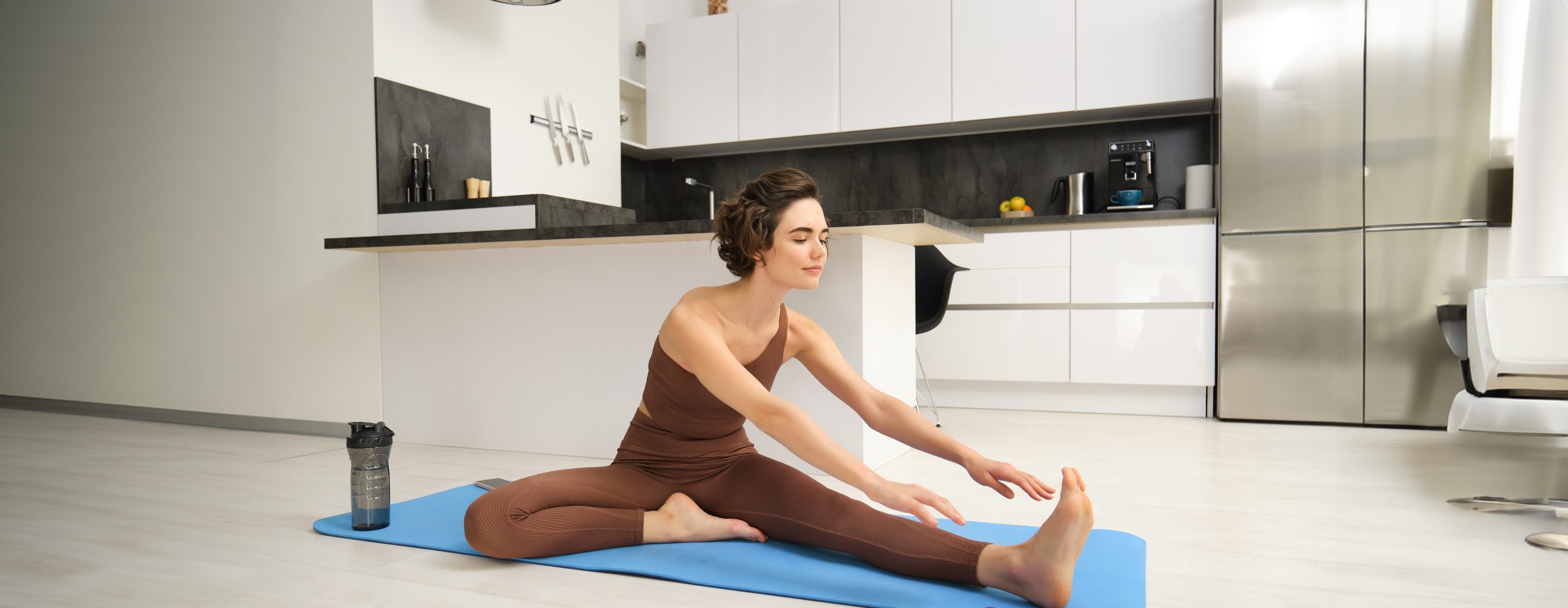
Active recovery uses gentle, low-intensity movement to keep blood flowing and help muscles bounce back. Athletes rely on it, but anyone can benefit.
- Light walking improves circulation and eases stiffness.
- Yoga and stretching release tension and build flexibility.
- Swimming and cycling keep you moving without heavy strain on your joints.
Mental and Emotional Rest

Nonstop thinking wears you down just as much as physical effort. Deliberate breaks during the day protect your focus and lower your stress load.
- Mindfulness or meditation quiets a racing mind and sharpens clarity.
- A screen break eases eye strain and often improves sleep later on.
- Journaling gives your thoughts somewhere to go so they stop looping.
How Rest Shapes Your Well-Being
Stronger immune function. Solid sleep helps the immune system do its job, while too little leaves you more open to colds and slower to recover.
Steadier mental health. Chronic under-resting feeds anxiety and low mood. Calming routines like deep breathing and meditation give the mind room to settle.
Better focus and output. Pushing through without breaks tends to backfire. Planned rest supports problem-solving and clearer thinking, so you get more done in less time.
Healthier heart. Poor sleep and constant stress are known risk factors for heart trouble. Regular recovery helps keep blood pressure and inflammation in check.
Simple Ways to Build Rest Into Your Day
Protect your bedtime.
- Go to bed and wake at consistent times, weekends included.
- Wind down with a calm routine like reading or a warm bath.
- Cut screens and caffeine in the evening so sleep comes easier.

Take Real Breaks During the Day
- Try the Pomodoro approach: work 25 minutes, rest 5.
- Use a few slow, deep breaths to reset when tension climbs.
- Step away regularly instead of grinding straight through to burnout.
Lean on active rest.
- Take a short walk outside to clear your head.
- Fold light stretching into your daily routine.
- Choose easygoing movement like yoga to unwind.

Guard against overcommitting.
- Practice saying no to things that drain you.
- Sort tasks by what truly matters so stress does not pile up.
- Make room for the activities that genuinely recharge you.
Bringing It Together
Rest is not a reward you earn after everything else is done. It is part of the work, and it is often the difference between spinning your wheels and seeing real change. When you protect your sleep, move gently on recovery days, and give your mind a break, you feel better and your results hold. If you want support pairing better recovery with a plan built around your body, our team can help. You can start with a quick body composition scan, explore telehealth visits, or reach out to our team to talk through what fits your goals.