The ache behind your knee and the catch in your hip may have more to do with the number on the scale than with age alone.
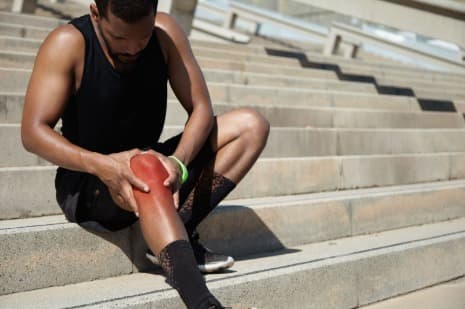
You stand up from the couch and feel that familiar stab behind your knee. You step down the stairs and your hip catches. You reach for the ibuprofen bottle one more time and wish there were another way.
If you live with pain behind the knee or aching in the hip, you have probably heard the usual list of options: pain relievers, physical therapy, a little weight loss on your own, and surgery down the road if nothing else works.
There is one part of that conversation that often gets rushed past. For a lot of people, joint pain in the knees and hips is not only about age or simple wear and tear. It is also about load. Every extra pound you carry presses down on those joints thousands of times a day, and that steady pressure can turn a mild ache into a daily problem.
The encouraging part is that load is something you can change. When the weight comes down, the force on your joints comes down with it, and many people notice their knees and hips feel calmer as a result. That is where a medical weight loss plan fits in.
Why the Back of Your Knee Hurts
The space behind your knee is crowded. Hamstring tendons, the popliteus tendon, the calf muscle, nerves, and blood vessels all share the area, along with a small fluid-filled sac called a Baker's cyst that can swell when the knee is irritated.
When you carry extra weight, each step sends a jolt through the knee. An irritated joint tends to make more fluid, that sac can swell, and the pressure behind the knee shows up as burning, tightness, or a sharp pinch. Common findings that go along with this include hamstring tendon irritation, early osteoarthritis, and meniscus wear. None of these are helped by the added pounds, and easing the load often takes pressure off the whole area.
Why Your Hip Aches
The hip is a ball-and-socket joint built to glide smoothly. Add extra body weight and it works under more force with every stride. Over time that can contribute to hip osteoarthritis, bursitis on the side of the hip, and groin pain from cartilage wear. Pain relievers can quiet these symptoms for a few hours, but they do not change the underlying load on the joint.
How Much Pressure Weight Loss Takes Off

Here is the encouraging math behind losing weight. Research on joint mechanics has long shown that the knee carries several times your body weight with each step, so even a modest amount of weight loss removes a meaningful share of that force. Less force means less irritation, and less irritation gives your joints a better chance to settle down.
No pill relieves the underlying load the way lowering your body weight does. That is why our focus is on helping you lose weight safely and steadily rather than only masking the discomfort.
How We Approach It
At Just Lose Weight MD, our clinicians build a plan around your body and your goals. Many patients start with a body composition scan so we can see where you are today and track real change over time. From there we may recommend a structured medical weight loss program, and for the right candidates that can include options such as semaglutide. If getting to one of our offices is difficult, our telehealth visits let you meet with a provider from home.
A Word on Persistent Pain
Weight loss can ease the load on your joints, but it is not a substitute for a proper diagnosis. If your knee or hip pain is severe, sudden, or does not improve, see a doctor. Some conditions need imaging, physical therapy, or orthopedic care, and it is important to rule those out. We are happy to work alongside your other providers as part of your overall plan.
Simple Steps You Can Start Today
- Move a little more each day, even a short walk, to keep the joints active without overloading them.
- Choose lower-impact activity like swimming or cycling when high-impact movement flares your pain.
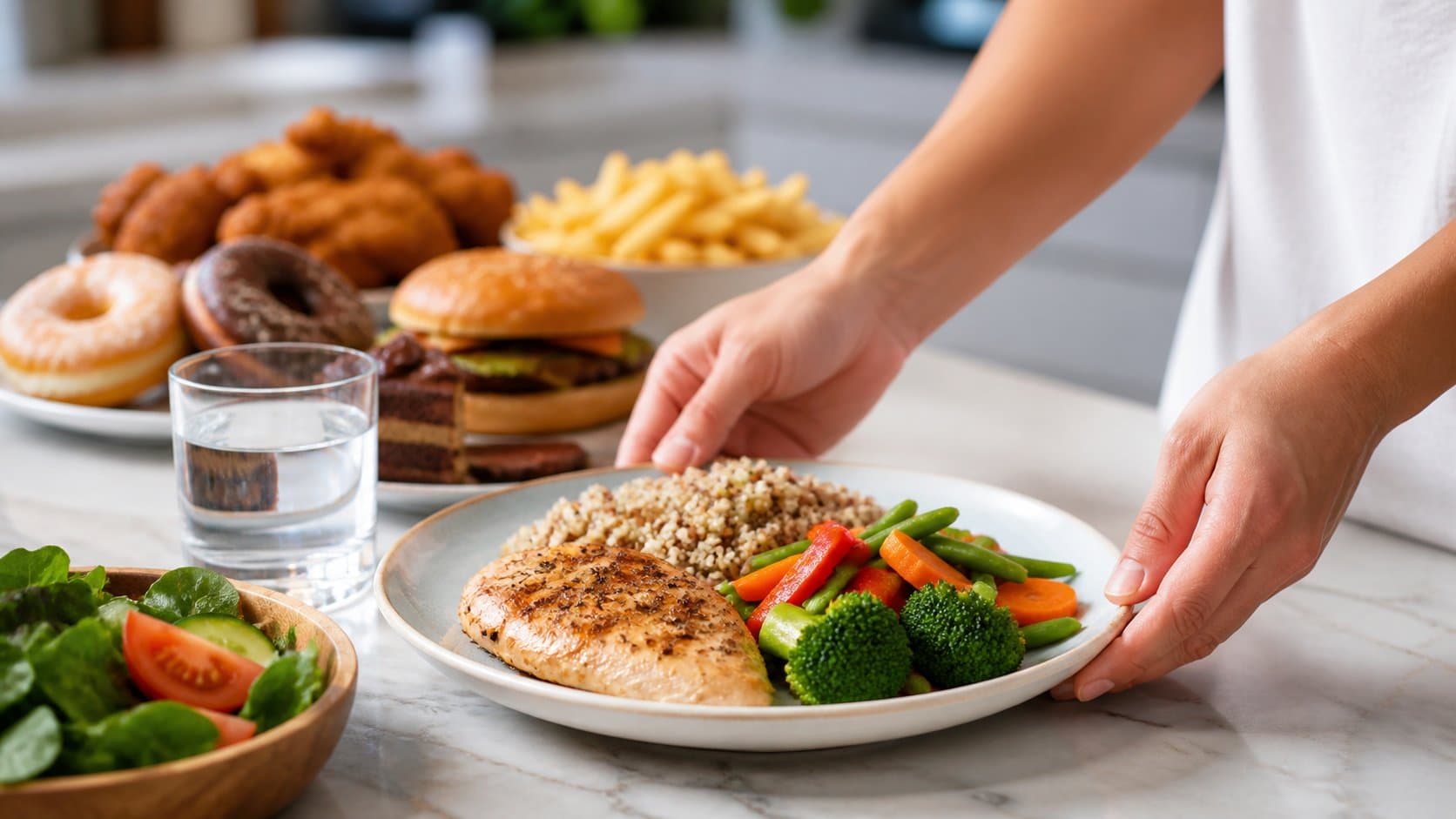
- Build meals around protein and vegetables to support steady, sustainable weight loss.
- Stay hydrated and prioritize sleep, both of which help your body recover.
You do not have to live with the same daily ache. If you are ready to take pressure off your knees and hips, contact us or book online to schedule your first visit. We serve Takoma Park and Rockville in Maryland, and patients across the region by telehealth.