
GLP-1 medications can quiet appetite and steady blood sugar, but the food choices behind them decide whether the weight stays off. That is the gap a registered dietitian is trained to fill.
Weight loss is about more than a smaller number on the scale. It is about lowering the risks tied to conditions like type 2 diabetes, high blood pressure, and heart disease, and feeling steadier through your day. GLP-1 medications such as semaglutide and tirzepatide have made those changes more reachable for many people by curbing appetite, supporting blood sugar control, and slowing digestion.
These injections tend to work best when they sit inside a plan that includes real nutrition support. On their own, reduced eating can lead to gaps in protein and key nutrients, some loss of muscle, and side effects like nausea or constipation. Progress can also be harder to hold once a dose is lowered or paused. Nutrition guidance is what turns a short-term drop into a habit you can keep.
That is where a registered dietitian (RD, or RDN for Registered Dietitian Nutritionist) fits in. RDs are credentialed professionals trained in medical nutrition therapy. They build eating plans that work alongside medical treatment, help manage side effects, protect muscle and bone, and teach habits that outlast any prescription.
At Just Lose Weight MD, our programs are physician-supervised and built around each patient. We offer semaglutide injections and other prescription options, with both telehealth and in-person visits at our locations in Takoma Park and Rockville, Maryland. We encourage patients to pair medical care with nutrition guidance, whether through their own registered dietitian or the diet coaching built into our programs.
What a Registered Dietitian Actually Does
A registered dietitian earns national certification through the Commission on Dietetic Registration after completing a degree in nutrition or dietetics, supervised practice hours, and a national exam. In Maryland and Virginia, they also hold state licensure. This sets them apart from the broader, less regulated title of "nutritionist," which does not always carry the same clinical training.
For weight loss, an RD looks at your full picture: medical history, current habits, food preferences, activity, and goals. From there they build a realistic plan that usually centers on:
- A moderate, sustainable calorie deficit rather than an extreme cut.
- Enough protein to help hold on to muscle.
- Fiber-rich, nutrient-dense foods that keep you full.
- Practical strategies for cravings, emotional eating, and busy schedules.
Much of the value comes from personalized guidance rather than generic diet advice. Two people on the same medication can have very different needs depending on their schedule, kitchen, and health history, and a tailored plan is easier to follow than a one-size-fits-all rulebook.
In medical weight loss settings, dietitians often work directly with physicians so that nutrition counseling and treatment move in the same direction, addressing both the biological and behavioral sides of weight.
How Registered Dietitians Support GLP-1 Medications

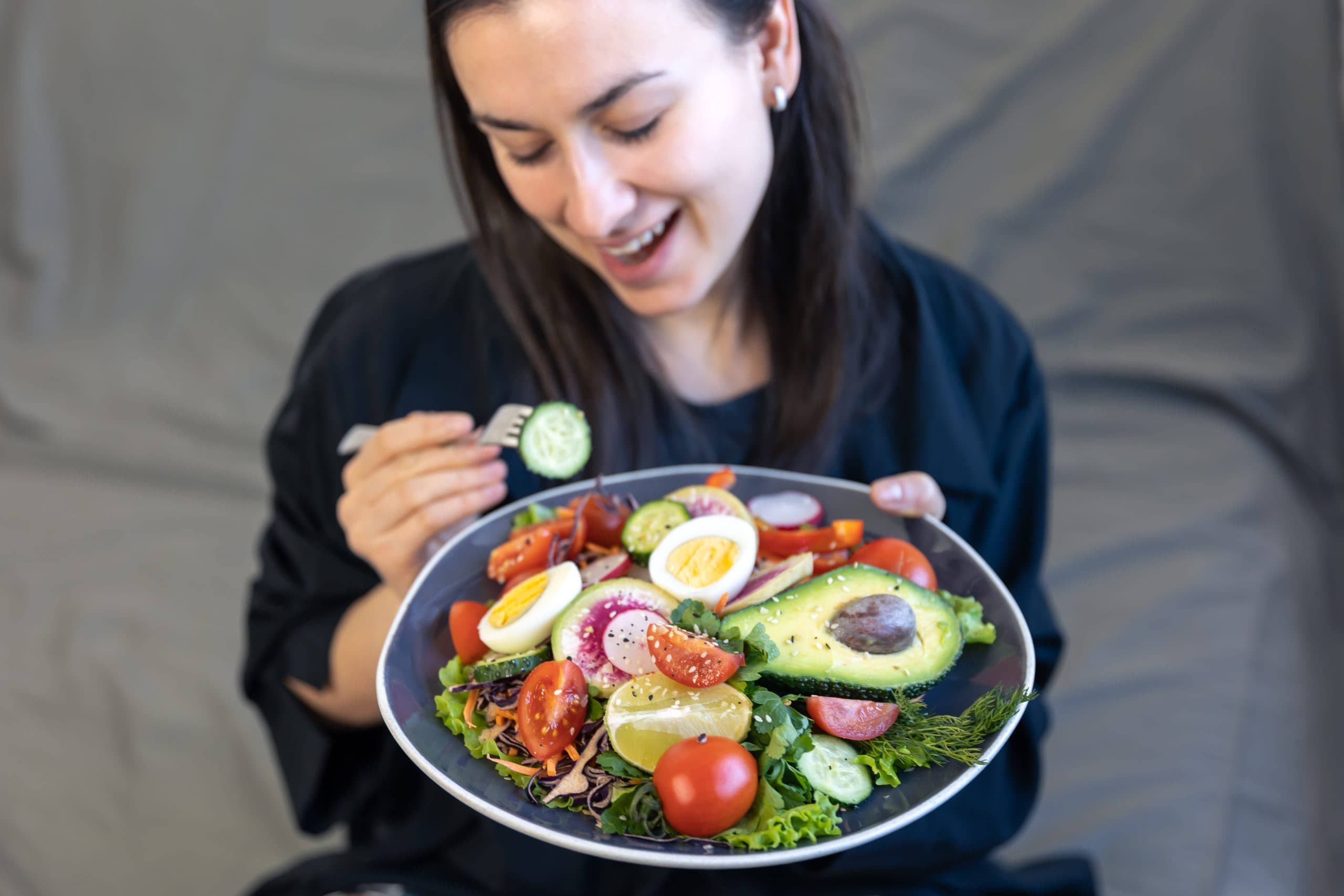
GLP-1 receptor agonists work by mimicking hormones that signal fullness, ease hunger, and help steady blood glucose. That leads to meaningful weight loss for many people. The trade-off is that eating less can create nutrient gaps, some muscle loss when protein runs low, and digestive side effects, especially in the early weeks. A dietitian helps in a few focused ways:
- Side effect relief. Smaller, more frequent meals, easy-to-digest foods early on, steady hydration, and gentle approaches to nausea and constipation.
- Nutrient density. Making smaller portions count by prioritizing lean proteins, vegetables, fruit, and whole grains so intake stays balanced.
- Muscle and bone protection. Enough daily protein paired with strength-based movement to help preserve lean mass.
- Staying power. Portion awareness and mindful eating that make it easier to hold results through dose changes.
- Personal fit. Plans adjusted for cultural preferences, allergies, schedules, and other health conditions.
At Just Lose Weight MD, our team monitors every prescription closely and helps patients layer nutrition support on top for steadier, longer-lasting results. If reduced appetite is a concern, our providers can also talk you through appetite management options as part of a full plan.
Benefits of Pairing Nutrition Guidance with Medical Weight Loss
Combining dietitian-style nutrition support with physician-led care tends to bring a few clear advantages:
- Better maintenance. Habits built early make it easier to hold your results over time.
- Broader health gains. Improvements in areas like blood pressure, energy, and sleep, not just scale weight.
- Milder side effects. Small diet adjustments can ease nausea and digestive upset.
- Muscle preservation. A protein-forward approach helps protect lean mass and metabolism.
- Realistic plans. Guidance shaped around your life rather than a rigid template.
Tracking your starting point helps too. A body composition scan can show changes in fat and muscle that the scale alone misses, which is useful when you want to protect lean mass.

To get more out of nutrition support alongside your medication:
- Keep a short food log before your first session so your baseline is accurate.
- Aim for protein at every meal and snack from a mix of sources.
- Add strength or resistance movement a couple of times a week.
- Hydrate steadily and add fiber gradually to limit bloating.
- Notice non-scale wins like energy, mood, and how clothes fit.
- Talk openly about stress or emotional eating.
Bringing It Together
Nutrition guidance turns weight loss from a short medication-driven drop into a change you can actually keep. Medications like semaglutide and tirzepatide provide the biological edge, and a solid eating plan supplies the foundation underneath it.
Just Lose Weight MD offers physician-supervised medical weight loss across Maryland and Virginia, with telehealth for patients who prefer to check in from home. You can reach any of our locations directly, and we are happy to help you build the nutrition side of your plan alongside your treatment.
- Takoma Park: (301) 434-0075
- Rockville: (301) 603-2811
Book your consultation online or reach out through our contact page to get started.