
Skipping meals on a schedule sounds simple, but the way you structure your eating window makes the difference between steady progress and burnout. Here is what actually works.
Intermittent fasting has become one of the more talked-about approaches to trimming body fat, and for good reason. Cycling between eating and fasting windows can lower your overall calorie intake and shift your body toward burning stored fat. It is not magic, and it is not right for everyone, but done thoughtfully it can be a useful tool alongside a balanced diet. Our team can help you fit it into a broader medical weight loss plan.
What Is Fasting?
Fasting means going without food for a set stretch of time, then eating within a defined window. The popular versions for weight management are forms of intermittent fasting, where the schedule is structured rather than random. By narrowing when you eat, most people naturally reduce how much they eat, which is where the weight loss tends to come from.
Common Intermittent Fasting Methods
There is no single correct schedule. The best plan is the one you can stick with, so it helps to know your options.
- 16-8 method: Fast for 16 hours and eat during an 8-hour window, for example noon to 8 p.m. This is the most beginner-friendly approach.
- 5:2 approach: Eat normally five days a week and keep calories low, roughly 500 to 600, on two nonconsecutive days.
- Eat-stop-eat: A full 24-hour fast once or twice a week. This is a bigger step and suits people already comfortable with shorter fasts.
- Alternate-day fasting: Rotating between regular eating days and very low-calorie or fasting days.
Longer fasts that run past 24 hours should only be attempted with medical supervision. We do not recommend extended water-only fasting or dry fasting for weight loss, since both carry real risks and offer no advantage over the gentler methods above.
Who Should Not Fast Without Medical Advice
Fasting is not appropriate for everyone. People who are pregnant or breastfeeding, anyone with a history of eating disorders, and those with diabetes or who take medications that affect blood sugar or blood pressure should speak with a clinician before starting. If any of that applies to you, please reach out to our team before changing your eating pattern.
Potential Benefits of Fasting

When it fits your body and lifestyle, intermittent fasting may offer several advantages:
- More fat burning: Lower insulin levels during a fast encourage the body to draw on stored fat for fuel.
- Better insulin sensitivity: Regular breaks from eating can improve how the body handles blood sugar over time.
- A simpler routine: Fewer meals means less planning and, for many people, easier calorie control.
- A built-in calorie limit: A shorter eating window naturally caps how much most people consume.
How to Fast Safely and Effectively

A few habits make fasting far more comfortable and sustainable:
- Pick a plan that fits your life. Match your fasting window to your schedule so it feels doable, not punishing.
- Stay hydrated. Water, herbal tea, and electrolyte-rich fluids keep energy up and curb false hunger.
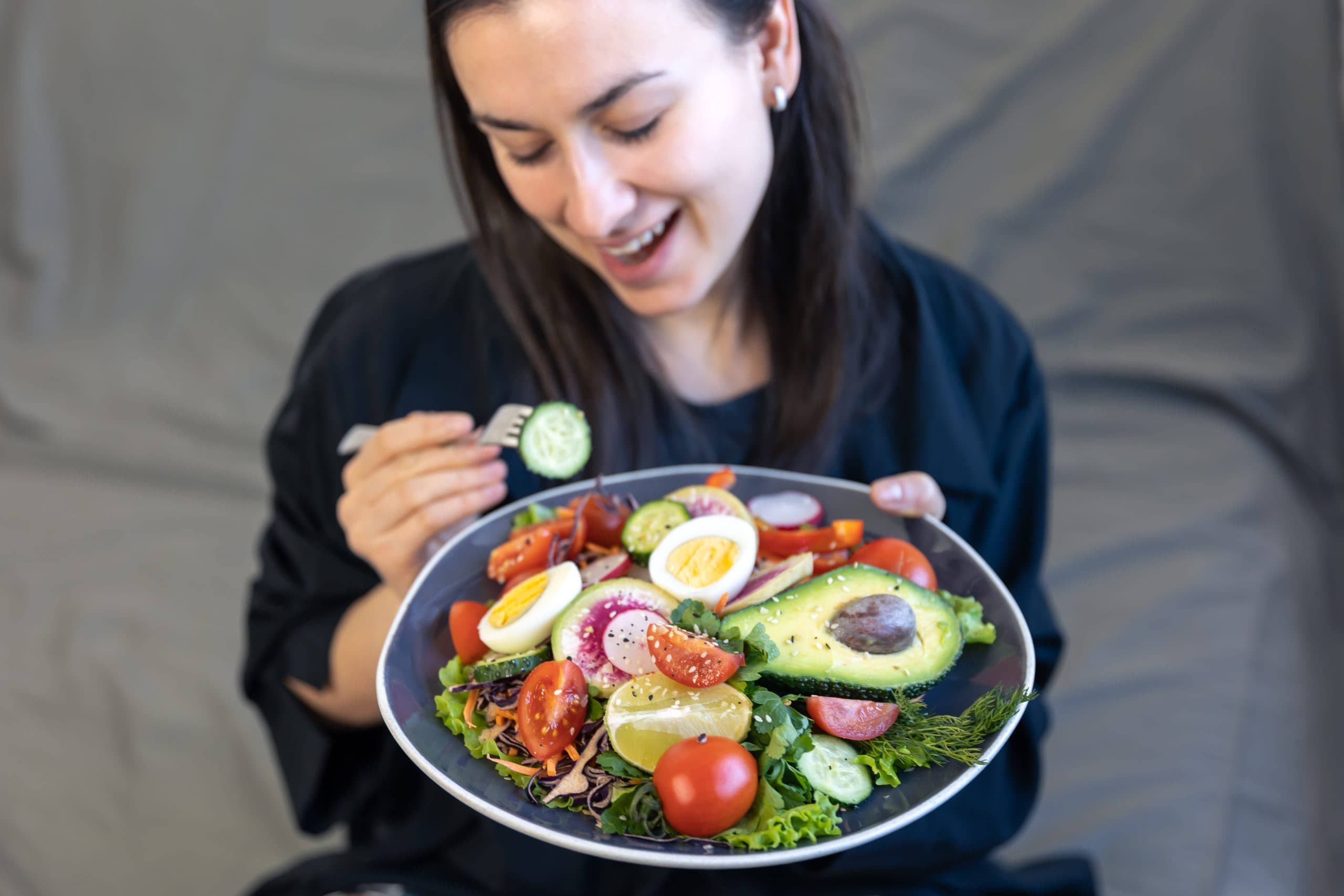
- Break your fast with real food. Lean protein, fiber, and healthy fats keep you fuller longer.
- Keep moving. Light activity such as walking or yoga supports fat loss and mood.
- Listen to your body. Feeling weak, dizzy, or unwell is a signal to stop and check in with a clinician.
Mistakes to Avoid

Overeating the moment your window opens is the most common pitfall, and it can erase the calorie deficit you worked for. If cravings or portion control are a struggle, a supervised option such as appetite suppressants may help you stay on track. Leaning on processed foods, skimping on water, and shortchanging sleep all work against you as well, since poor rest throws off the hormones that regulate hunger.
Support Beyond Fasting
Fasting works best as one piece of a larger plan. If you would rather have professional guidance, our telehealth visits make it easy to build a program from home, and a body composition scan can confirm you are losing fat rather than muscle. When you are ready, book an appointment online and we will help you find an approach that fits.