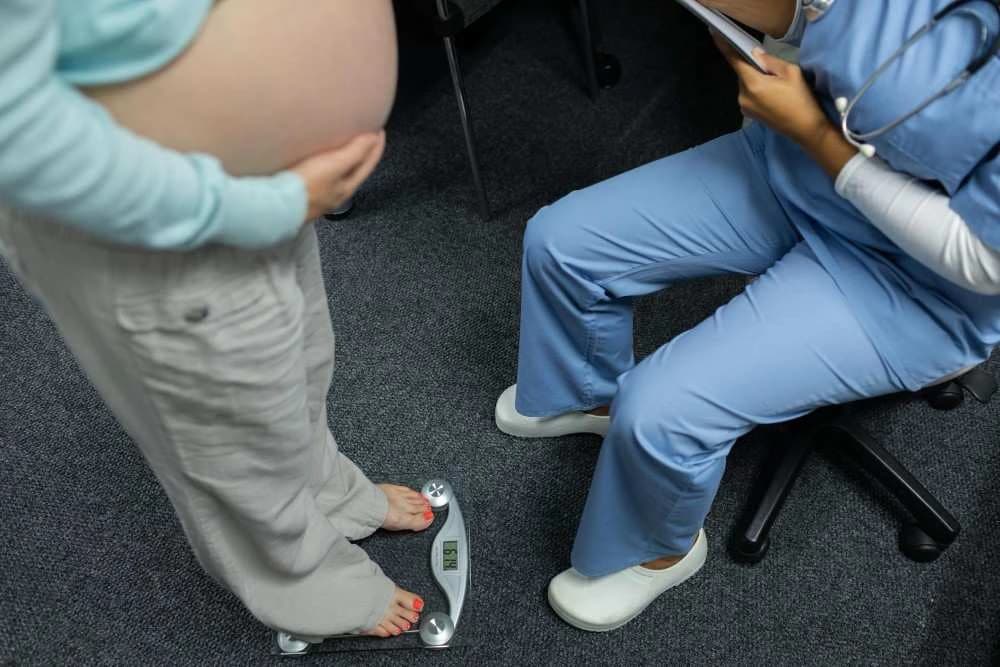

Many women do everything the same and still watch their waistband tighten after 45. The shift is real, it is largely hormonal, and it responds well to the right combination of changes.
During menopause, falling estrogen prompts the body to store more fat around the abdomen instead of the hips and thighs, so weight that once spread out now settles in the stomach. This visceral fat sits deeper around your organs, which is why the belly can feel firmer and why the change matters for your health, not just how clothes fit.
Why fat moves to your midsection
Before menopause, higher estrogen tends to steer fat storage toward the hips and thighs. As estrogen declines through perimenopause and menopause, that pattern flips and the abdomen becomes the main storage site. Several forces stack up at once:
- Lower estrogen shifts fat storage toward the belly
- Muscle mass naturally declines with age, which lowers the calories you burn at rest
- Sleep often worsens, and short sleep raises hunger hormones
- Cortisol, the stress hormone, encourages fat storage around the middle
You can read more about the hormone side of this in our article on estrogen and weight gain.
Why belly fat during menopause matters
Visceral fat is more than a cosmetic concern. Because it is metabolically active, higher amounts are linked with insulin resistance, higher blood pressure, and a greater risk of heart problems and type 2 diabetes. The encouraging part is that visceral fat often responds well to consistent changes, sometimes faster than the fat just under the skin.
What actually helps
There is no single trick, but a few changes do most of the work:
- Protein and strength training. Building or keeping muscle raises your resting metabolism and directly counters the muscle loss that drives midsection gain.
- Steady blood sugar. Meals built around protein, fiber, and vegetables reduce the insulin spikes that encourage belly storage.
- Sleep and stress. Protecting sleep and lowering chronic stress helps bring cortisol down, and some women find magnesium supports better sleep.
- Sustainable movement. Daily walking plus a couple of resistance sessions beats punishing workouts you cannot keep up.
Common mistakes to avoid
Two patterns slow women down more than anything else. The first is cutting calories too hard, which sheds muscle along with fat and leaves the metabolism lower than before. The second is relying on endless cardio while skipping resistance training, which does little to rebuild the muscle that keeps the midsection in check. A moderate calorie reduction paired with strength work protects the tissue you want to keep.
When medical support makes sense
Sometimes lifestyle changes are not enough on their own, especially when hormones are working against you. A supervised medical weight loss program can add options that address the biology directly. For some women, hormone therapy helps with the underlying shift, while others do better with appetite-focused weight loss injections that make steadier eating easier. A body composition scan shows how much of your weight is fat versus muscle, so your plan targets the right thing.
Medications are not a replacement for the fundamentals, but they can make the fundamentals possible. Many women find that once appetite is calmer or hormones are steadier, the protein, sleep, and movement they already know they need finally feel achievable instead of a daily fight.

How long it takes to see change
Most women who commit to strength training and steadier eating start to notice their waistband easing within 8-12 weeks, though the mirror usually changes before the scale does. That gap can be discouraging if you only weigh yourself, which is one reason a body composition scan is so useful. As muscle grows and visceral fat shrinks, your weight may barely move while your shape and health markers improve. Measuring your waist and tracking energy and sleep gives a truer picture than the scale alone, and it keeps you going during the weeks when progress is real but quiet.
A calmer way to think about it
Menopause belly fat is not a sign that you have done something wrong or that your metabolism is broken beyond repair. It is a predictable response to a hormonal change, and predictable problems have practical answers. The women who see the best results tend to focus on muscle, sleep, and steady eating first, then add medical support when they need it rather than chasing quick fixes. If you would like a plan built around your labs and history, you can book online with our team in Maryland and Virginia.