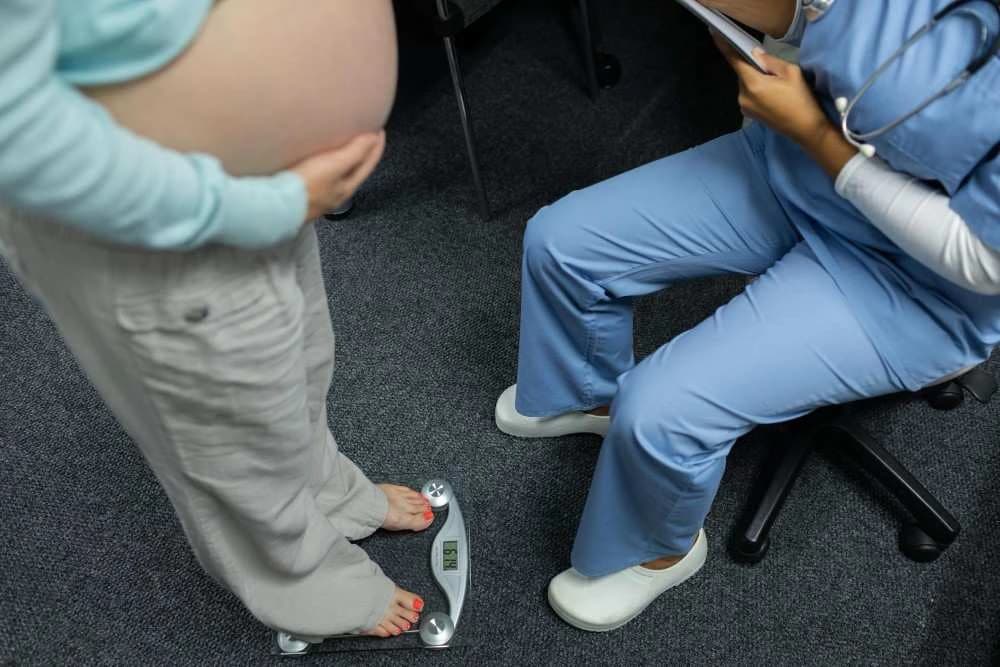
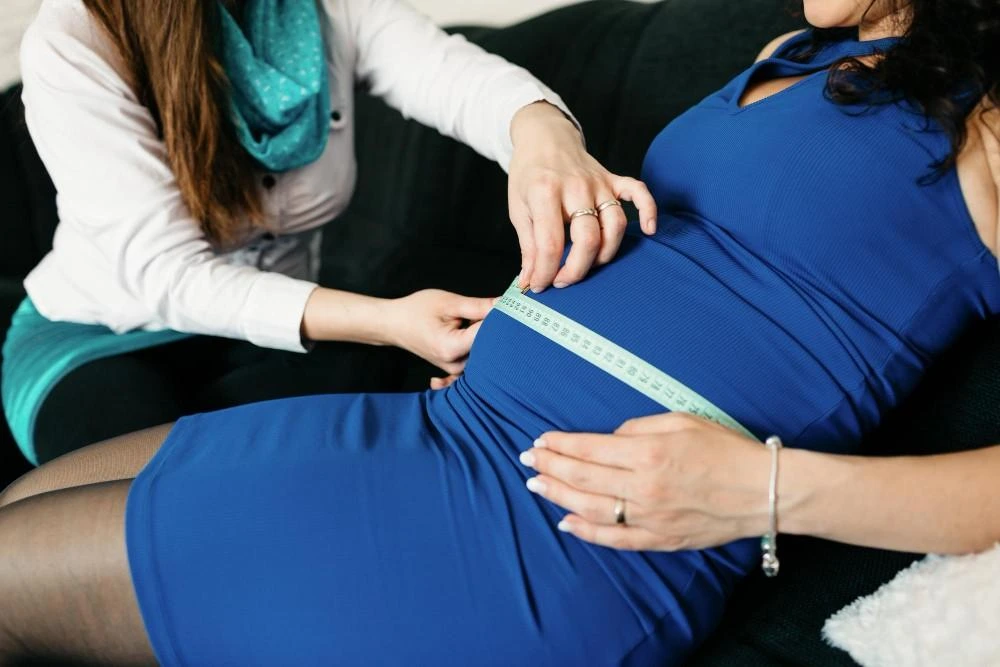
How much weight you should put on during pregnancy is not one number for everyone. It depends mainly on your weight before you conceived, and your own prenatal provider is the person who sets the right target for you.
Medically reviewed by: Dr. Olasupo Odunsi
Healthy weight gain in pregnancy is not a single figure. It depends mostly on your pre-pregnancy body mass index (BMI), and the general ranges published by the Institute of Medicine and echoed by the American College of Obstetricians and Gynecologists give a starting point. Women who begin at a normal BMI (18.5-24.9) are usually advised to gain about 25-35 pounds over the whole pregnancy. Those who start underweight (BMI below 18.5) may need a little more, roughly 28-40 pounds. Women who begin overweight (BMI 25-29.9) are generally guided toward 15-25 pounds, and those with a BMI of 30 or higher toward 11-20 pounds. These are broad guidelines, not personal prescriptions. Your obstetrician or midwife will set the target that fits your health, and that guidance always comes first.
Most of the weight is not body fat. A term baby accounts for around 7-8 pounds, with the placenta, amniotic fluid, extra blood volume, a larger uterus, and breast tissue making up much of the rest. A modest store of maternal fat is normal and helps support energy needs and breastfeeding. Steady tracking at prenatal visits lets your provider notice early if the pattern drifts too high or too low.
Gaining far too little or far too much both carry risks. Very low gain can raise the chance of preterm birth and low birth weight. Excess gain is linked to gestational diabetes, preeclampsia, a higher likelihood of cesarean delivery, and a larger baby. A sudden jump in the second or third trimester, especially with swelling in the hands or face, a severe headache, or changes in vision, needs prompt medical attention, since it can signal a problem rather than ordinary gain. Watching the week-to-week trend matters more than any single reading.
A note on weight-loss treatments during pregnancy: this part matters. Prescription weight-loss medications such as semaglutide, other GLP-1 medications, and phentermine are not for use while you are pregnant, and deliberate calorie restriction or dieting to lose weight during pregnancy is not recommended. The medication and structured weight-loss strategies described below apply only after delivery, once your obstetric provider has cleared you. While you are pregnant, follow your OB or midwife and focus on balanced nutrition rather than weight loss.
After birth, weight comes off in stages. The baby, placenta, amniotic fluid, and extra blood volume are gone quickly, which accounts for the first several pounds. The rest can linger. Hormonal changes tied to recovery and lactation, disrupted sleep, reduced activity while you heal, and abdominal separation (diastasis recti) all make it harder to lose weight in the early months. Postpartum thyroid changes can also stall progress, which is one reason lab testing is useful before assuming the scale should be moving faster. It is common for some weight to stay on well past the six-week visit, and that on its own does not mean anything has gone wrong.
Safe weight loss after your baby arrives
Once you are no longer pregnant and your provider has given clearance, structured weight loss becomes reasonable, and doing it under medical supervision keeps it safe. After delivery, prescription options that were off the table during pregnancy can be discussed. GLP-1 medications such as semaglutide are FDA-approved for chronic weight management in adults, and whether any medication is appropriate while breastfeeding is a decision your physician makes case by case with your lactation goals in mind. Phentermine and other appetite suppressants are generally avoided while nursing. Nothing here should be started on your own, and none of it applies until after pregnancy.
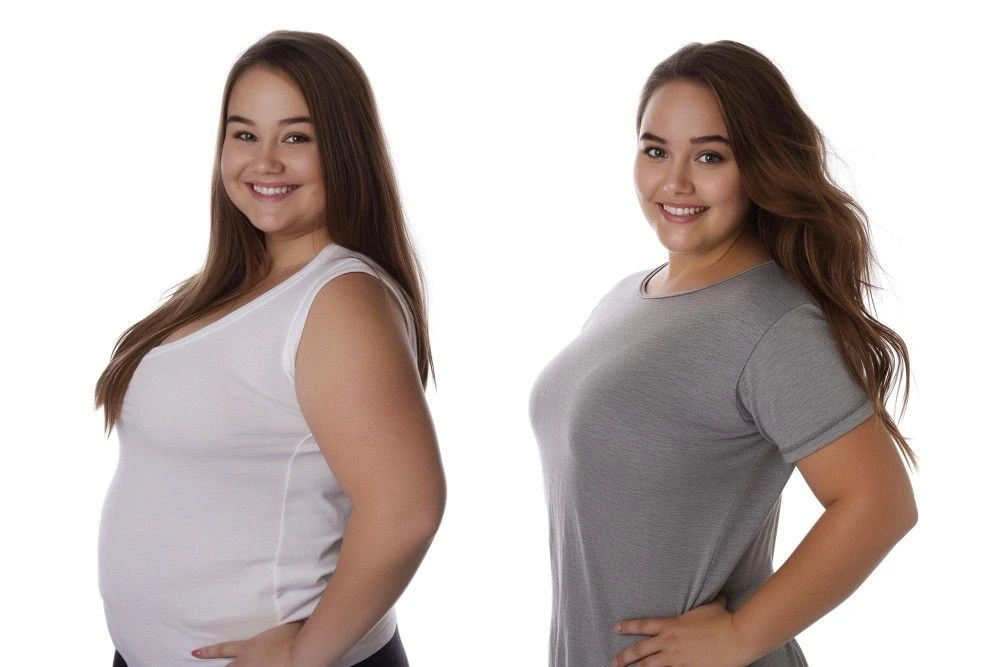
At Just Lose Weight MD, postpartum programs begin after your standard clearance, generally around six weeks, and later after a cesarean depending on your recovery. We start with labs to check thyroid, iron, vitamin D, and metabolic markers, because these often explain why weight is slow to move. From there, plans combine balanced, protein-forward nutrition, a gradual return to activity that respects core and pelvic-floor recovery, behavioral coaching, and, when appropriate and cleared by your physician, medication. We track progress with body-composition measurement using a body scanner rather than the scale alone, and breastfeeding mothers get plans built around protecting milk supply. The aim is steady, sustainable loss, not a crash.
Board-certified clinicians lead every plan, and care is grounded in your labs and your goals instead of a generic app or fad diet. We see patients across our Maryland and Virginia offices and offer telehealth visits across Maryland, DC, and Virginia, so early appointments with a new baby at home are workable. Contact us when you are ready to talk through a plan that fits this stage of your life.
Understanding what healthy pregnancy weight gain looks like helps you have a better conversation with your prenatal provider, and it takes some of the pressure off afterward. Biology explains much of what stays on after birth. A structured, medically guided plan started at the right time can help you lose it safely without compromising your energy or your milk supply.
Book your consultation online to get started, and always keep your own OB or prenatal provider in the loop while you are pregnant.
Takoma Park, MD: (301) 434-0075, 7513 New Hampshire Avenue, Takoma Park, MD 20912
Rockville, MD: (301) 603-2811, 12250 Rockville Pike, #208, Rockville, MD 20852