Obesity comes with its own set of medical codes and BMI-based classes. Here is what E66 and Z68 mean, and how each class affects your health.
Understanding Obesity: ICD-10 Codes, Classes, and Health Impacts
By: Just Lose Weight
Medically reviewed by: Dr. Olasupo Odunsi
If you have seen an ICD-10 obesity code on a chart or insurance form, or you are trying to make sense of terms like obesity class 3, you are not alone. Obesity affects more than 40 percent of American adults, and it touches energy, mobility, and long-term health in ways that go well beyond a number on the scale. This guide breaks down the medical codes, the classification system, and the real health risks, then shows how a supervised weight loss plan can help.
Book your appointment now for a personalized session.
What Is Obesity and How Is It Classified?
Obesity is defined as a Body Mass Index (BMI) of 30 or higher. BMI is your weight in kilograms divided by your height in meters squared, or in U.S. units, (weight in pounds x 703) divided by (height in inches) squared. BMI does not separate muscle from fat, so it is a screening tool rather than a complete picture, but it remains the standard first measure doctors use.
The ICD-10 system, part of the International Classification of Diseases, 10th Revision, lets providers document, bill, and track the condition. The main category is E66: Overweight and obesity. Common codes include:
- E66.9: Obesity, unspecified
- E66.01: Morbid (severe) obesity due to excess calories, used for the most serious cases
- E66.09: Other obesity due to excess calories
- E66.3: Overweight, an early warning sign before obesity develops
Separate Z68 codes record the exact BMI. For example, Z68.41 covers a BMI of 40.0-44.9, and Z68.45 covers 70 and above. Providers often pair an E66 code with a Z68 code so the chart shows both the diagnosis and the measured BMI. These codes matter because insurers frequently require them before approving treatments such as prescription injections or medically supervised programs.
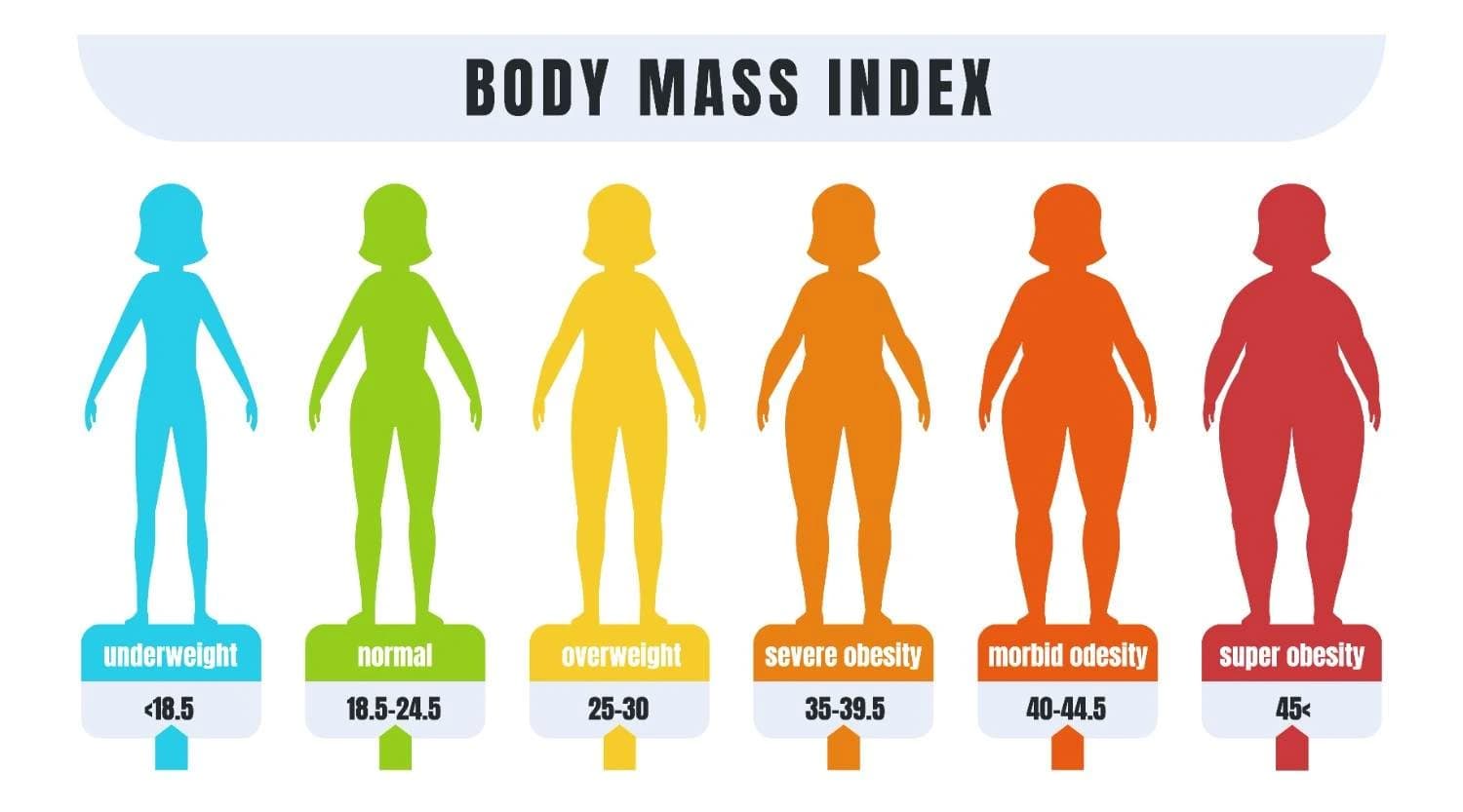
Obesity is also split into three classes based on BMI:
- Class 1: BMI 30.0-34.9, moderate risk
- Class 2: BMI 35.0-39.9, high risk
- Class 3: BMI 40.0 and above, very high risk, often called severe or morbid obesity
Class 3 carries the greatest danger for life-threatening complications, which is why it usually maps to the E66.01 morbid obesity code. When choosing a clinic, look for physicians certified by the American Board of Obesity Medicine, who complete dedicated training and follow evidence-based protocols.
The Real Health Risks: What Obesity Can Trigger
Obesity changes how your body functions, not just how it looks. Here are three of the most common questions.
Can Obesity Cause Diabetes?
Yes, and it is a leading driver. Excess fat, especially around the midsection, promotes insulin resistance. Your cells stop responding to insulin, your pancreas works harder to compensate, and over time blood sugar rises toward type 2 diabetes. The encouraging part is that losing even 5-10 percent of body weight can improve insulin sensitivity and lower risk. Several medications first developed for diabetes are now central to obesity care for this reason.
Can Obesity Cause Hair Loss?
It can. Chronic inflammation from excess fat can disrupt the hair growth cycle, and elevated insulin can shift hormone balance in ways that shrink follicles. Nutrient gaps that often accompany obesity, such as low iron, zinc, or protein, add further strain. Sustained weight loss paired with better nutrition and balanced hormones can help slow shedding and support regrowth.
Can Obesity Cause Shortness of Breath?
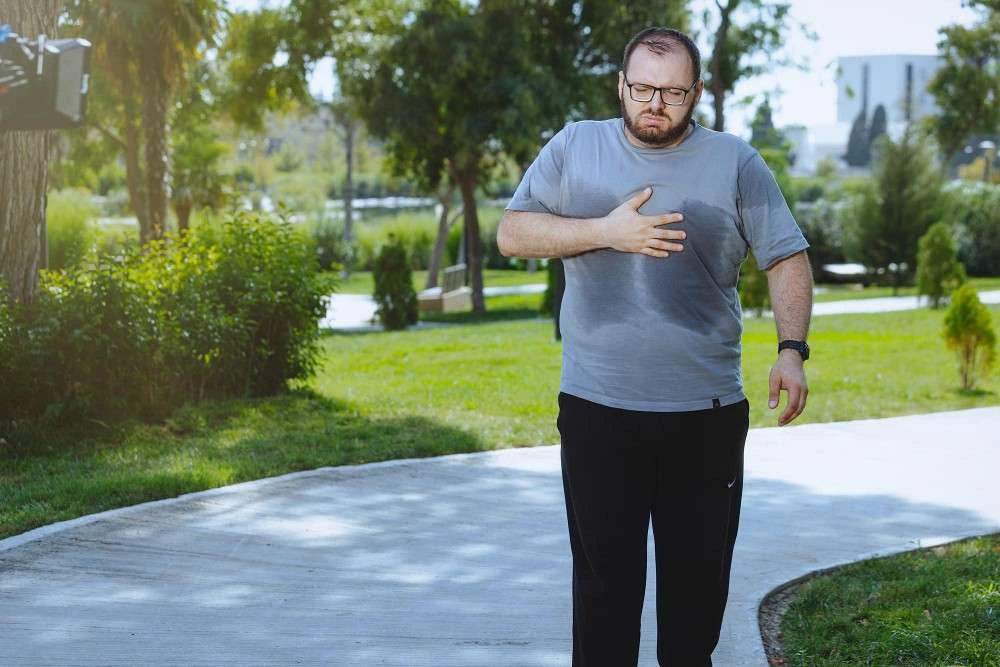
Yes. Extra weight presses on the chest wall and diaphragm, which reduces lung capacity and makes breathing less efficient. In class 3 obesity this can contribute to obesity hypoventilation syndrome, where the body retains carbon dioxide and daytime fatigue sets in. Sleep apnea often coexists and lowers oxygen levels overnight. Weight loss reliably eases breathing, and even modest reductions can improve how you feel climbing stairs or walking.
How Weight Loss Services Reverse These Risks

Lasting results come from a plan, not a slogan. Modern medical weight loss combines medication, nutrition, and ongoing support tailored to your labs and goals.
Mounjaro (tirzepatide) and Wegovy (semaglutide) are GLP-1 receptor medications that reduce hunger, slow digestion, and improve insulin response. They are FDA-approved for chronic weight management and can meaningfully lower the complications tied to excess weight, including elevated blood sugar and breathing strain.
Supporting options round out the plan. B12 and lipotropic shots can help with energy and metabolism when a deficiency is present. Prescription appetite suppressants offer hunger control without stimulants, and hormone therapy addresses imbalances that fuel weight gain during menopause or andropause.
A body scan measures fat percentage, muscle mass, and visceral fat, which turns guesswork into a data-driven roadmap and lets your provider track real progress over time.
Take Control Today
Whether your chart reads E66.01, an overweight code, or a specific BMI, the path forward is the same. Obesity can raise your risk of diabetes, hair loss, and shortness of breath, and each of those improves as the weight comes off. Our clinics across Maryland and Virginia, plus telehealth visits, offer these tools under board-certified guidance.
You do not have to wait for the next symptom. Book your appointment today or contact us to build a plan that fits your life.
Takoma Park, MD: (301) 434-0075, 7513 New Hampshire Avenue, Takoma Park, MD 20912
Rockville, MD: (301) 603-2811, 12250 Rockville Pike #208, Rockville, MD 20852