
Most weight advice starts with food and exercise, and stops there. What happens overnight can quietly undo a good day of both, and it is one of the most overlooked pieces of the puzzle.
You can eat well and train hard and still feel like your body is working against you. If you are not sleeping enough, it may be, and the effect of a lack of sleep is bigger than most people expect.
The short answer
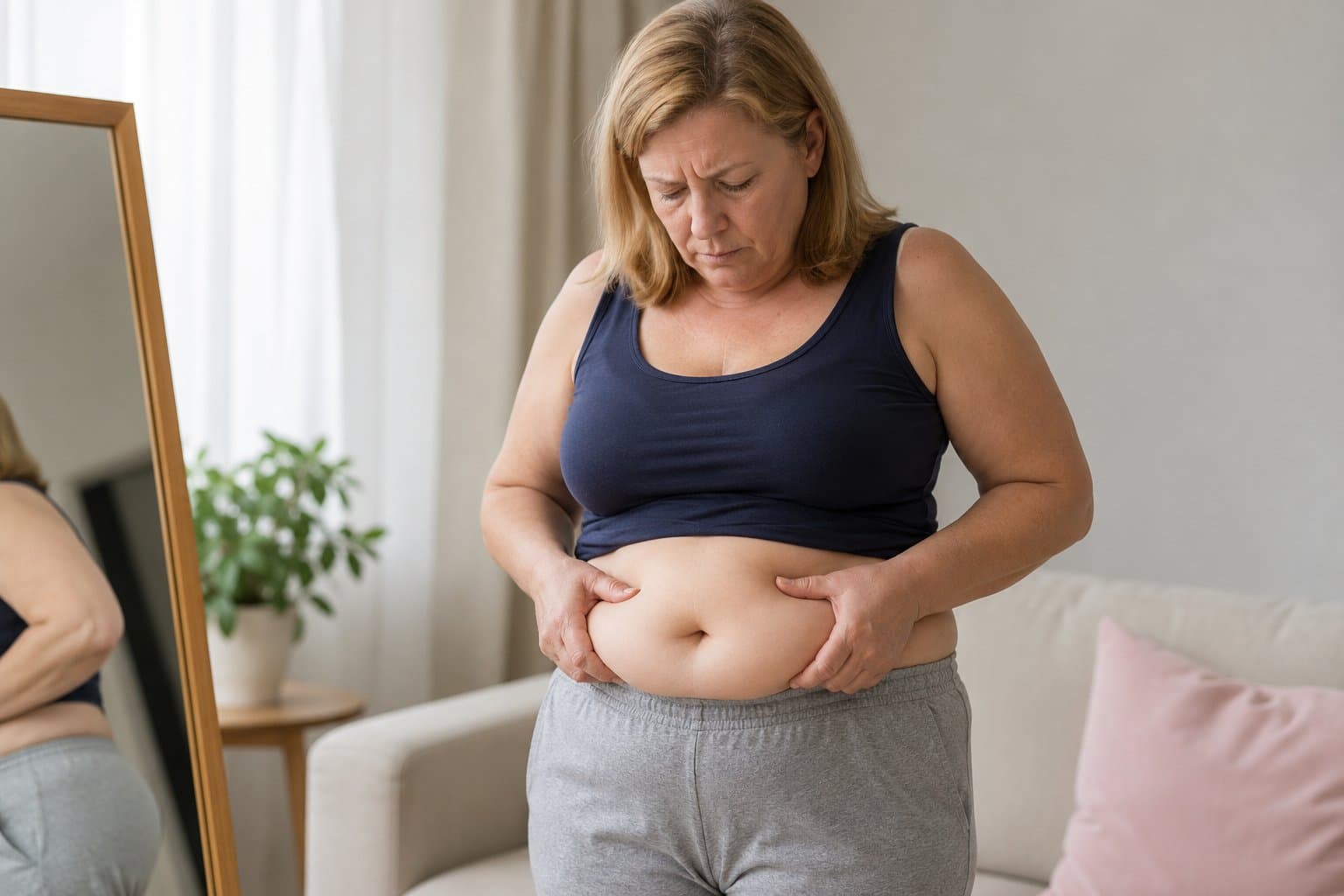
Yes, lack of sleep can cause weight gain. Short sleep raises the hunger hormone ghrelin and lowers the fullness hormone leptin, which drives cravings and larger portions. It also increases cortisol and insulin resistance, encourages fat storage around the belly, and leaves you too tired to move much. None of these guarantee weight gain on their own, but together they tilt the odds against you night after night.
How sleep affects your weight
Hunger hormones shift
After a short night, ghrelin rises and leptin falls. In plain terms, you feel hungrier and it takes more food to feel satisfied. This is not weak willpower, it is a measurable hormonal change that starts the very next day.
Cravings lean toward junk
Tired brains reach for quick energy. Research consistently shows people eat more overall, and more high-calorie, high-carb food, when they are sleep deprived. Late nights also add extra hours for snacking.
Insulin and cortisol rise
Poor sleep makes cells less responsive to insulin, so the body stores fat more readily and manages blood sugar less well. Sleep loss also keeps cortisol, a stress hormone, elevated, and that encourages fat storage around the midsection.
You move less
Fatigue lowers your daily activity, from skipped workouts to simply moving less around the house. Those quiet calories add up over a week.

How much sleep you need
Most adults do best with about 7 to 9 hours a night. It is not only the hours, though, but the quality. Broken or shallow sleep can leave the same hormonal footprint as short sleep, which is one reason weight and sleep problems so often travel together.
When poor sleep is a medical issue
Sometimes the problem is not habits but an underlying condition. Sleep apnea, in particular, fragments sleep and is strongly linked with weight gain, and the two feed each other in a loop. Thyroid and hormone imbalances can disrupt sleep as well. If you sleep enough hours but still wake up unrefreshed, snore heavily, or feel exhausted all day, that is worth evaluating rather than pushing through. A provider can look at whether a sleep or hormone issue is part of your weight picture, and a hormone evaluation is sometimes part of that.
The two-way street
Sleep and weight influence each other in both directions, which is easy to miss. Short sleep makes weight gain more likely, and carrying extra weight, especially around the neck and abdomen, makes sleep problems like snoring and apnea more likely. That loop is why trying to out-diet chronic poor sleep so often stalls. The upside is that improving one side tends to help the other, so better sleep can make a weight plan work, and losing weight can make sleep deeper.
Simple ways to sleep better
- Keep a consistent schedule. Going to bed and waking at similar times steadies the rhythms that control hunger and metabolism.
- Wind down without screens. Dim light and a short buffer before bed help you fall asleep faster and sleep more deeply.
- Watch late caffeine and alcohol. Both fragment sleep even when they do not stop you from falling asleep.
- Get daylight and movement. Morning light and regular activity support deeper sleep at night.
Where it fits in a weight plan
Sleep is not a substitute for nutrition and activity, but ignoring it makes everything else harder. In a supervised medical weight loss plan, sleep, stress, and hormones are part of the conversation, not an afterthought, and tracking a body composition scan over time helps show whether changes are moving fat in the right direction. If tiredness and stalled progress go hand in hand for you, a provider can help, in person or by telehealth. Reach Takoma Park at (301) 434-0075 or Rockville at (301) 603-2811.