Interest in peptide therapy has grown as more adults look for medically supervised ways to support natural hormone balance. Sermorelin is one of the options that comes up most often in that conversation.
Sermorelin is a peptide that prompts the body to make more of its own growth hormone rather than replacing it with a synthetic version. That distinction matters, and it shapes both what the therapy can realistically do and how it should be managed. This guide walks through how sermorelin works, who tends to consider it, typical dosing, and the side effects worth knowing about.

What are sermorelin injections?
Sermorelin is a synthesized peptide built from 29 amino acids. It acts much like growth hormone-releasing hormone (GHRH), the signal your body uses to tell the pituitary gland to release growth hormone. Instead of adding a manufactured hormone to your bloodstream the way direct HGH injections do, sermorelin encourages the pituitary to produce and release growth hormone on its own schedule. Because the body keeps its natural feedback controls in place, the process stays closer to how growth hormone would normally be released.
How does sermorelin work?
Sermorelin binds to receptors on the anterior pituitary gland and signals it to increase growth hormone output. That growth hormone then supports several ordinary body functions, including cell repair, protein synthesis, and how the body uses fat for energy. Natural growth hormone production tends to decline with age, which is part of why sermorelin is studied within natural hormone therapy and broader anti-aging plans.
Potential benefits of sermorelin
Reported benefits vary from person to person, and results depend on age, baseline hormone levels, and overall health. The effects most often discussed with sermorelin therapy include the following.
Body composition support
Growth hormone plays a role in protein synthesis and how the body handles stored fat. Some patients pursue sermorelin as part of a wider effort to improve body composition, usually alongside a structured medical weight loss plan rather than on its own.
Sleep quality
Much of the body's natural growth hormone is released during deep sleep. Patients sometimes report better rest and steadier daytime focus, though individual experiences differ.
Energy and recovery
Because growth hormone contributes to tissue repair and metabolism, some people notice improved energy and faster recovery after exercise. This is one reason active adults ask about it during rehabilitation or training.
Skin and aging
Falling growth hormone levels are linked to reduced collagen and less elastic skin over time. Supporting natural production may help some patients, which is why sermorelin appears in anti-aging discussions. It is not a guaranteed cosmetic fix.

Who considers sermorelin therapy?
Sermorelin is generally discussed for adults who want to support natural growth hormone levels rather than replace them. People who often ask about it include:
- Adults with age-related or clinically identified low growth hormone.
- Active adults focused on recovery, body composition, and energy.
- People dealing with poor sleep quality who want to explore contributing factors.
- Patients recovering from injury or surgery who want to support healing.
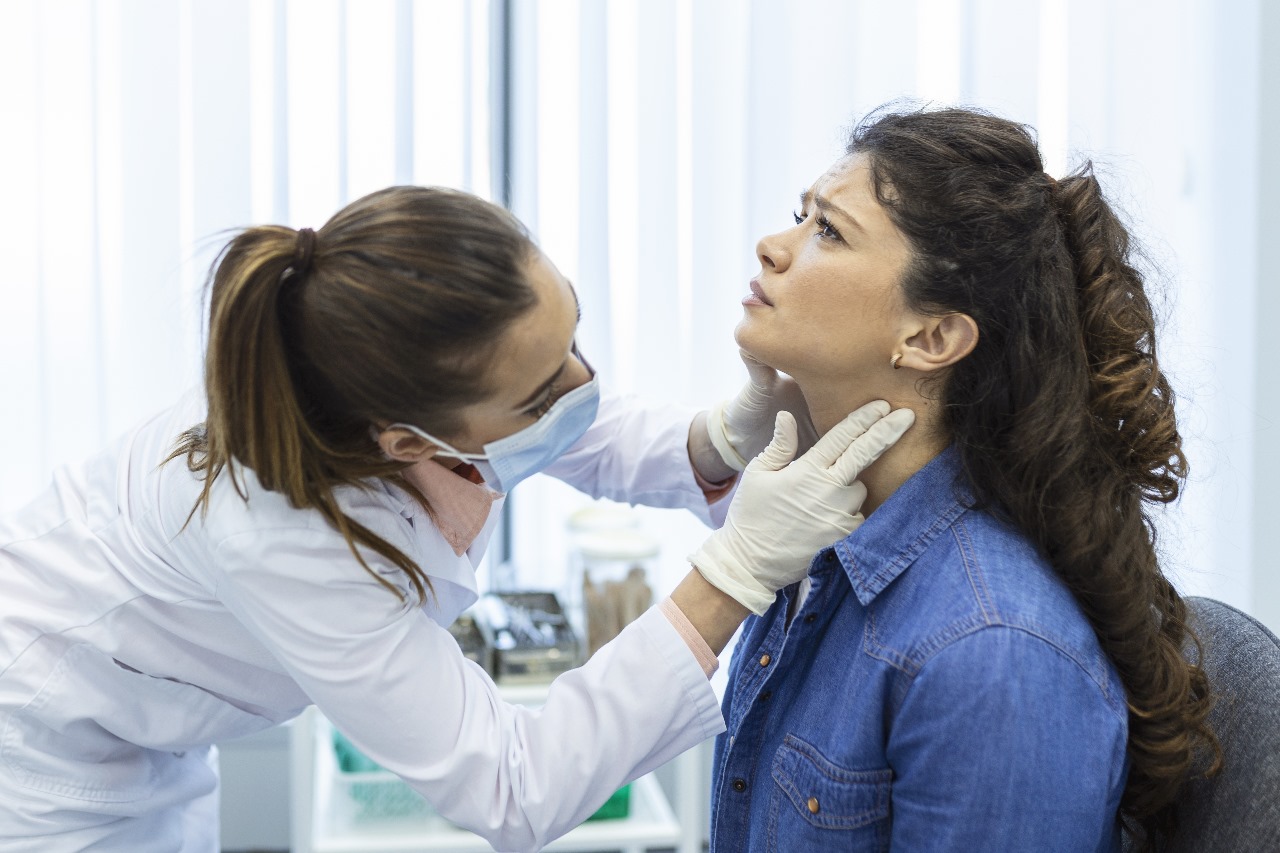
Whether it is appropriate for you depends on a proper evaluation. A clinician will review your health history and may order lab work before recommending it. You can reach our team through telehealth or in person to start that conversation.
How sermorelin is used
For the practical side of the routine, including which sites to use and how to rotate them, see our guide to sermorelin injection sites.
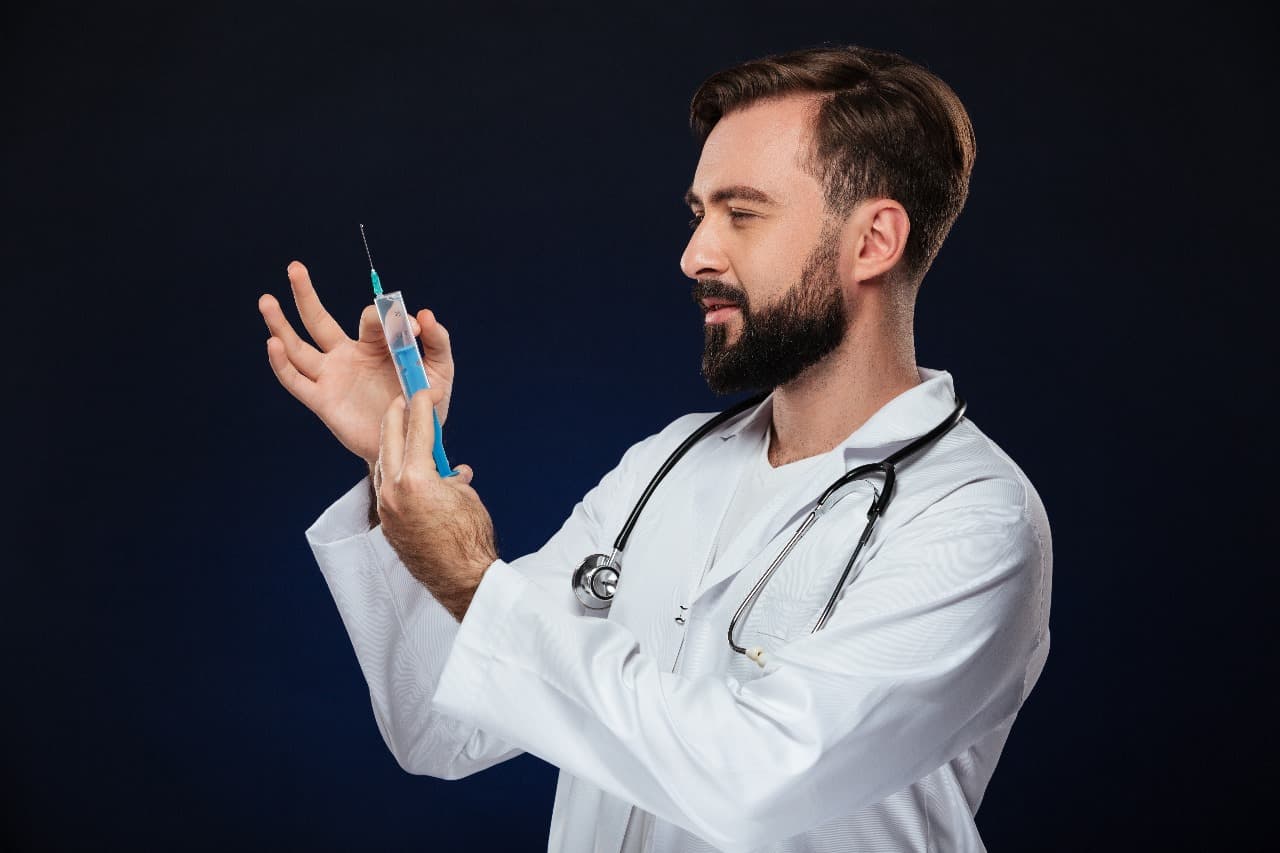
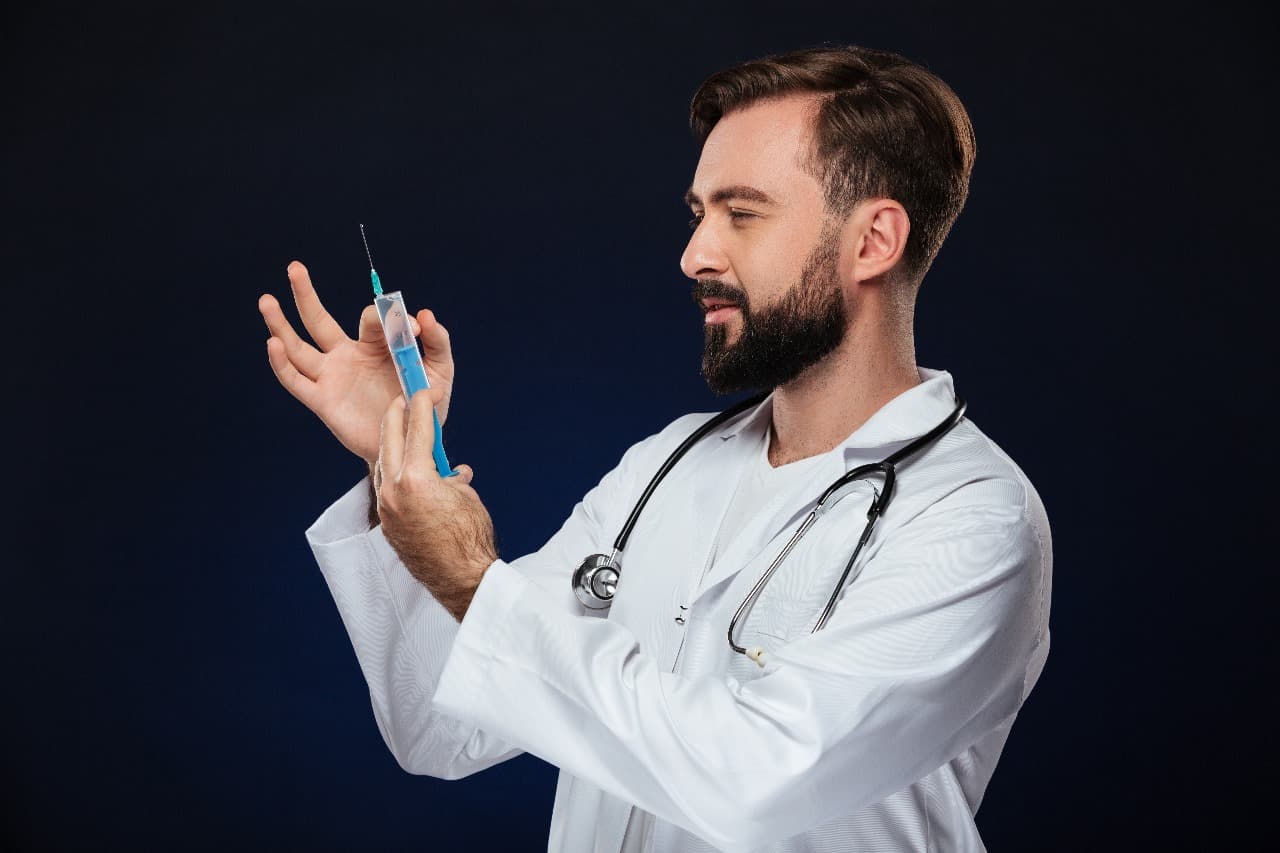
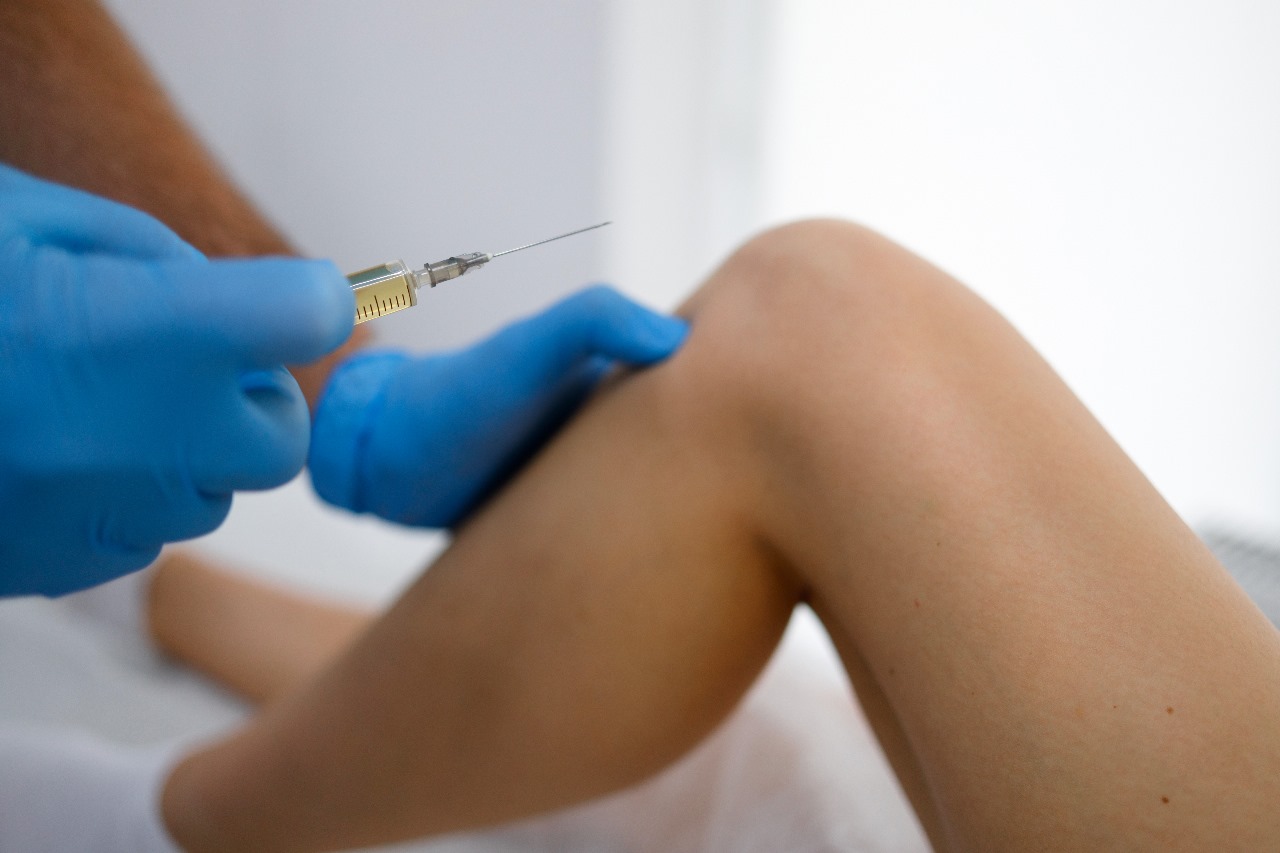
Sermorelin is given by subcutaneous injection, meaning just under the skin. It is usually taken at night to line up with the body's natural overnight release of growth hormone. The details below are general and are not a substitute for a prescription and instructions from your provider.
Dosing and administration
- Dosing is individualized and set by your clinician based on your labs, age, and goals.
- It is commonly administered before bed to match natural hormone rhythms.
- Common injection sites include the abdomen, thigh, and upper arm, rotated to protect the skin.
Length of treatment
- Some patients follow shorter cycles, while others continue longer for age-management goals.
- Progress and dosing should be reviewed periodically with your provider and adjusted as needed.
Side effects to know about
Sermorelin is generally well tolerated and tends to cause fewer side effects than synthetic HGH, but no medication is risk free. Some people may notice:
- Mild redness, swelling, or irritation at the injection site.
- Temporary headache or dizziness.
- Flushing or a warm feeling in the face.
- Nausea in some cases.
Serious allergic reactions are uncommon but possible. Sermorelin should only be used under the guidance of a healthcare professional, who can weigh the benefits against the risks for your situation.
Talk with our team
Sermorelin is one tool among several for supporting natural hormone levels, and it works best inside a supervised plan built around your health. If you are curious whether it fits your goals, our providers can review your history and labs and explain the realistic options. You can contact us or book online at our Takoma Park and Rockville, MD offices, or ask about telehealth if you prefer a virtual visit.