
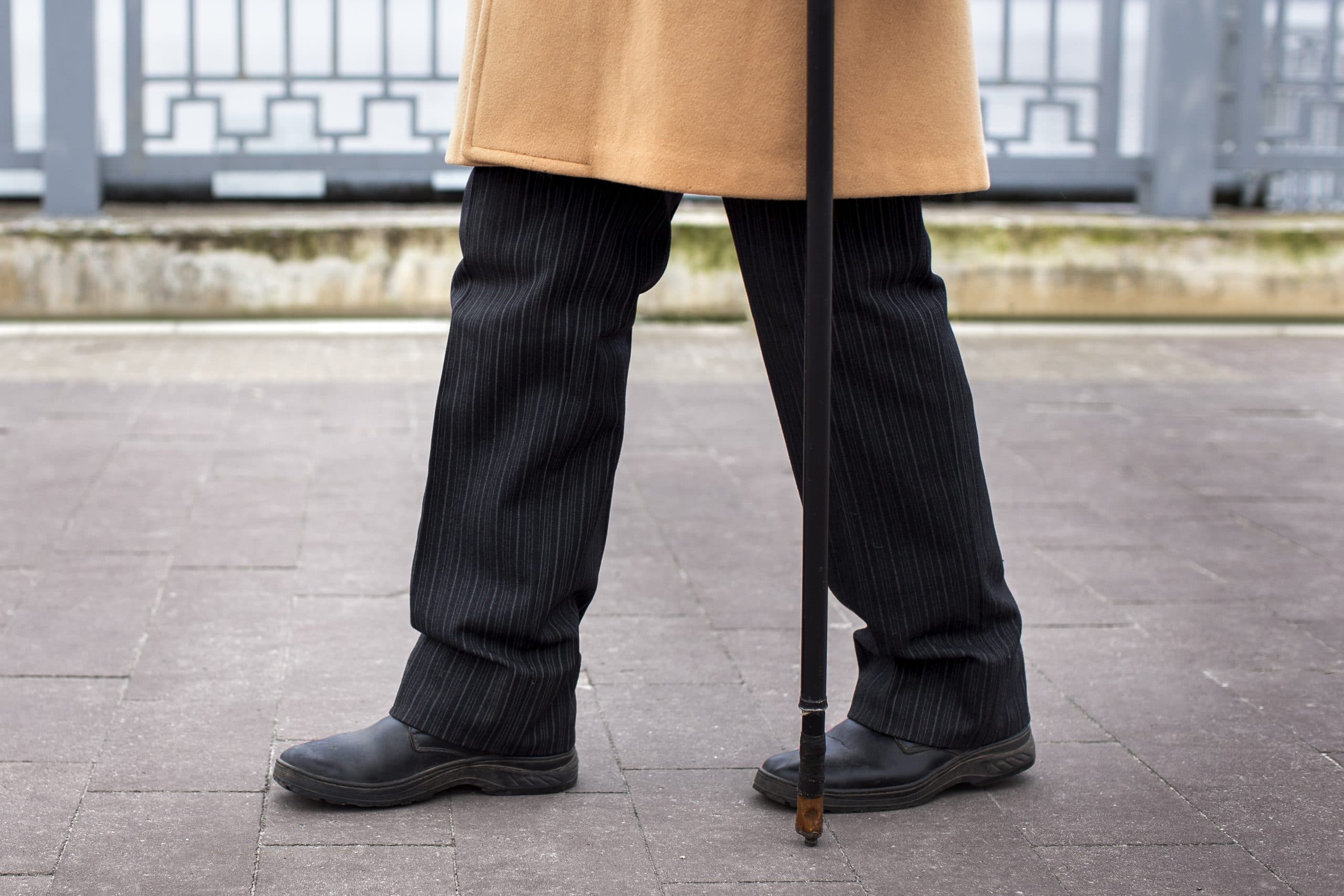
The gradual forward lean and rounded shoulders many people notice in their sixties and beyond are not inevitable, and small daily habits make a real difference.
Posture tends to change slowly, so most people do not notice it until a photo or a stiff morning makes it obvious. The good news is that a lot of what drives those changes responds to activity, strength work, and attention to bone health. This is a practical look at how posture shifts with age and what you can actually do about it.
How posture changes as you get older
Several age-related changes work together to pull the body forward and down over time:
- Disc height loss. Spinal discs lose water and flatten with age, which shortens the spine slightly and can round the upper back.
- Bone density decline. As bone thins, small compression changes in the vertebrae can add to a forward curve, especially when osteoporosis is present.
- Muscle loss. The core and back muscles that hold you upright weaken if they are not used, so slumping becomes the path of least resistance.
- Reduced balance and awareness. Changes in nerve function and joint position sense make it harder to sense and correct alignment automatically.
None of these are switches that flip overnight. They build gradually, which is exactly why steady habits can slow or offset them.

Why it is worth paying attention
Posture is one factor in aging well, not the whole story, but it does affect day to day life. A more forward posture can make walking feel less stable, limit how far you can turn or reach, and contribute to neck and back stiffness. It can also change how deeply you breathe when the change is pronounced. Improving alignment will not reverse aging, and it is worth being honest about that. For a fuller look at what does and does not hold up, see our companion piece on posture and aging myths versus facts.
Practical steps that help
Most of the useful moves are simple and repeatable:
- Move often. Break up long stretches of sitting. Standing and walking for a couple of minutes every half hour keeps joints loose and muscles engaged.
- Build back and core strength. Rows, gentle back extensions, and core work make an upright position feel natural rather than forced.
- Stretch the front of the body. Opening the chest and hip flexors counters the forward pull of sitting.
- Set up your space. A screen at eye level and a supportive chair reduce the constant slump that trains poor posture.
- Protect your bones. Weight-bearing exercise, adequate protein, and attention to calcium and vitamin D support the bone density that keeps the spine sound.
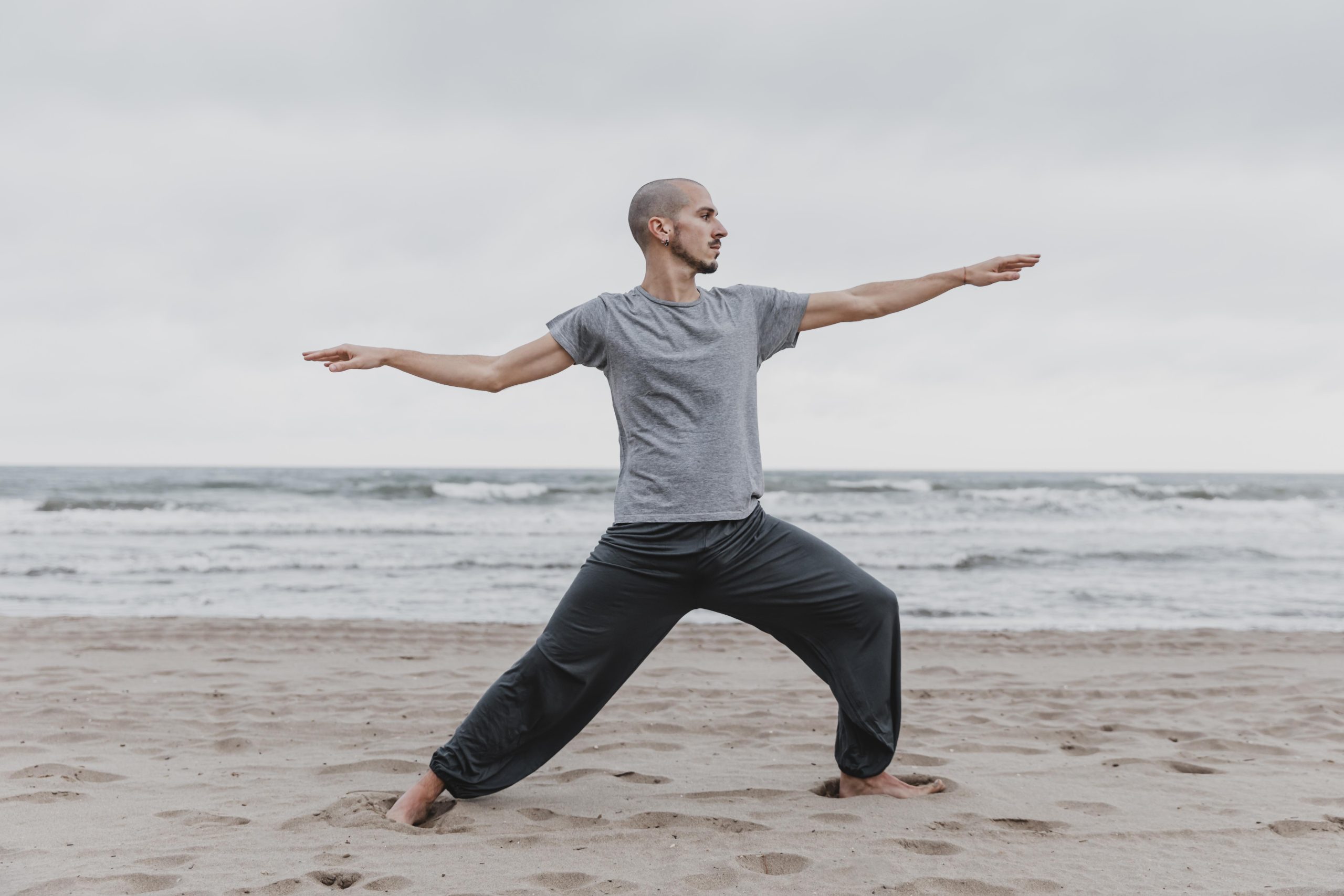
Where posture fits into the bigger picture
Staying upright is easier when the rest of your health is in a good place. Carrying extra weight adds load to the spine and joints and makes movement harder, so a structured medical weight loss plan often improves comfort and mobility at the same time. Knowing your muscle and bone numbers helps too. Our body scanner gives an objective read on body composition so you can track strength and progress rather than guess.
If you would rather start with a conversation, our anti-aging plan looks at the wider set of factors that shape how you age, and we offer telehealth visits for anyone who prefers to meet from home.
The bottom line
Posture changes with age for real physical reasons, but the direction is not fixed. Regular movement, targeted strength work, and healthy bones do the heavy lifting, and small daily choices add up over the years. If you want a plan built around your situation, get in touch or book a consultation with our team.