
Your scale has one number to offer. These three tests each add a different layer, and each has a blind spot.
A bathroom scale cannot tell you whether the weight you lost was fat or muscle, which is exactly what matters during treatment. Body composition tests fill that gap, but InBody, DEXA and 3D scanners work in very different ways.
DEXA is the most detailed and most precise, InBody is the quickest and most affordable, and a 3D body scan is the easiest to repeat and best for tracking visual change. For weight loss, the most useful test is usually the one you can repeat under the same conditions every few weeks.
InBody (Bioelectrical Impedance)
InBody machines send a tiny electrical current through your body and measure how easily it travels. Muscle holds more water than fat, so the machine estimates lean and fat mass from the resistance. A reading takes a minute or two, needs no radiation, and is usually the least expensive option.
The weakness is hydration. Drinking, eating, exercise, alcohol and even time of day shift the numbers. A reading right after a big glass of water can look different from one taken fasted, so day-to-day changes can be misleading.
DEXA
DEXA uses two low-dose X-ray beams to separate fat, lean tissue and bone mineral density, and it can show where each sits in the body. It is often treated as the reference standard for body composition because it is less affected by hydration than InBody. It also reports bone density, which is useful for anyone concerned about bone health.
The trade-offs are access and cost. DEXA usually requires a trip to an imaging or specialty center, the price is generally the highest of the three, and it involves a very small radiation dose. That makes it a good occasional benchmark rather than something to repeat every few weeks.
3D Body Scan
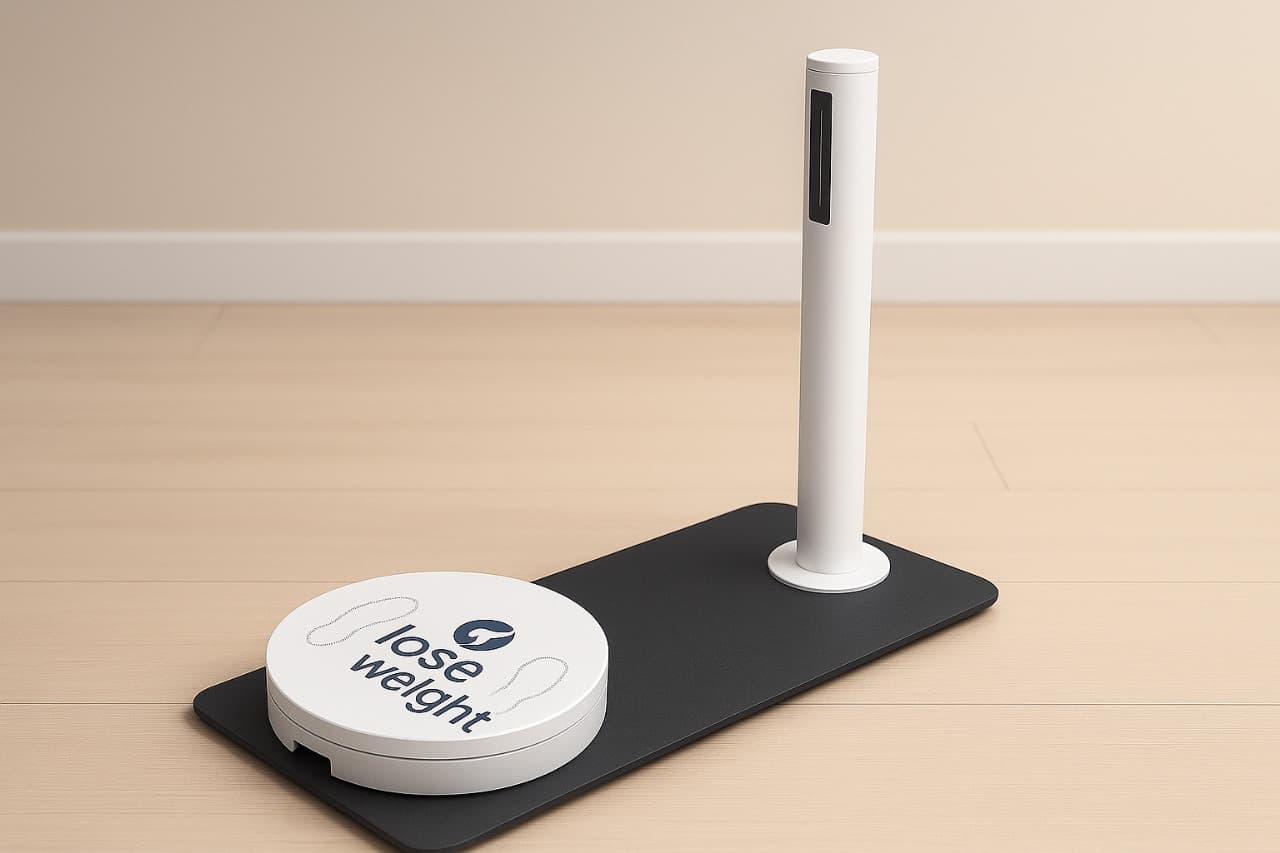
A 3D scanner, such as the Styku system in our clinic, uses cameras or sensors to build a three-dimensional model of your body while you stand on a turntable. From that model it calculates circumference measurements and estimates body fat from shape. There is no radiation, no electrodes and no special preparation beyond fitted clothing.
Its strength is visual and measurement tracking. You can see changes in waist, hips, thighs and arms, and compare overlays between visits. Its estimates of fat percentage rely on equations, so absolute numbers may differ from DEXA, but the trend over time is what drives decisions. You can read how our scanner works on the body scanner page.
What About Cost?
Prices depend on your area, the provider and whether the scan is part of a program, so published ranges go stale fast. As a general rule, InBody-type tests cost the least, 3D scans sit in the middle, and DEXA costs the most. Ask any provider what is included, such as a printed report or a follow-up scan, before comparing quotes.
Getting Reliable Results
- Scan at the same time of day, ideally in the morning.
- Keep food, fluids and caffeine consistent beforehand.
- Avoid hard workouts and alcohol for 24 hours before.
- Use the same type of device each time, since different machines give different numbers.
Reading Your Results
Focus on direction rather than any single number. A falling body fat percentage with stable or rising lean mass is the ideal pattern. Falling weight with falling lean mass is the signal to look at protein intake, resistance training and the pace of weight loss. Waist and hip measurements add context, because inches often change before the scale does. Keep your reports together so you can compare scans side by side rather than relying on memory.
Why It Matters on Weight Loss Medication
When appetite drops quickly on a GLP-1 medication, some of the weight lost can be muscle if protein and strength training slip. Tracking lean mass helps you catch that early and adjust. It is also helpful when the scale stalls but your body is changing, as covered in how to break a weight loss plateau. If you are weighing options such as semaglutide or tirzepatide, a baseline scan gives you something concrete to measure against.
Local patients can learn more about body composition scanning in Maryland and Virginia, or schedule a visit as part of a medical weight loss plan.